When RAF airman and evader John Evans told me that one of his helpers had been saved on the ‘Ghost Train’ he set me off on the trail of a fascinating story.
I finished writing John’s story and began to read and research about this new one.
This presented a new set of challenges. There were hundreds of people involved in this event. The vast majority were dead, but I managed to find some who were still surviving.
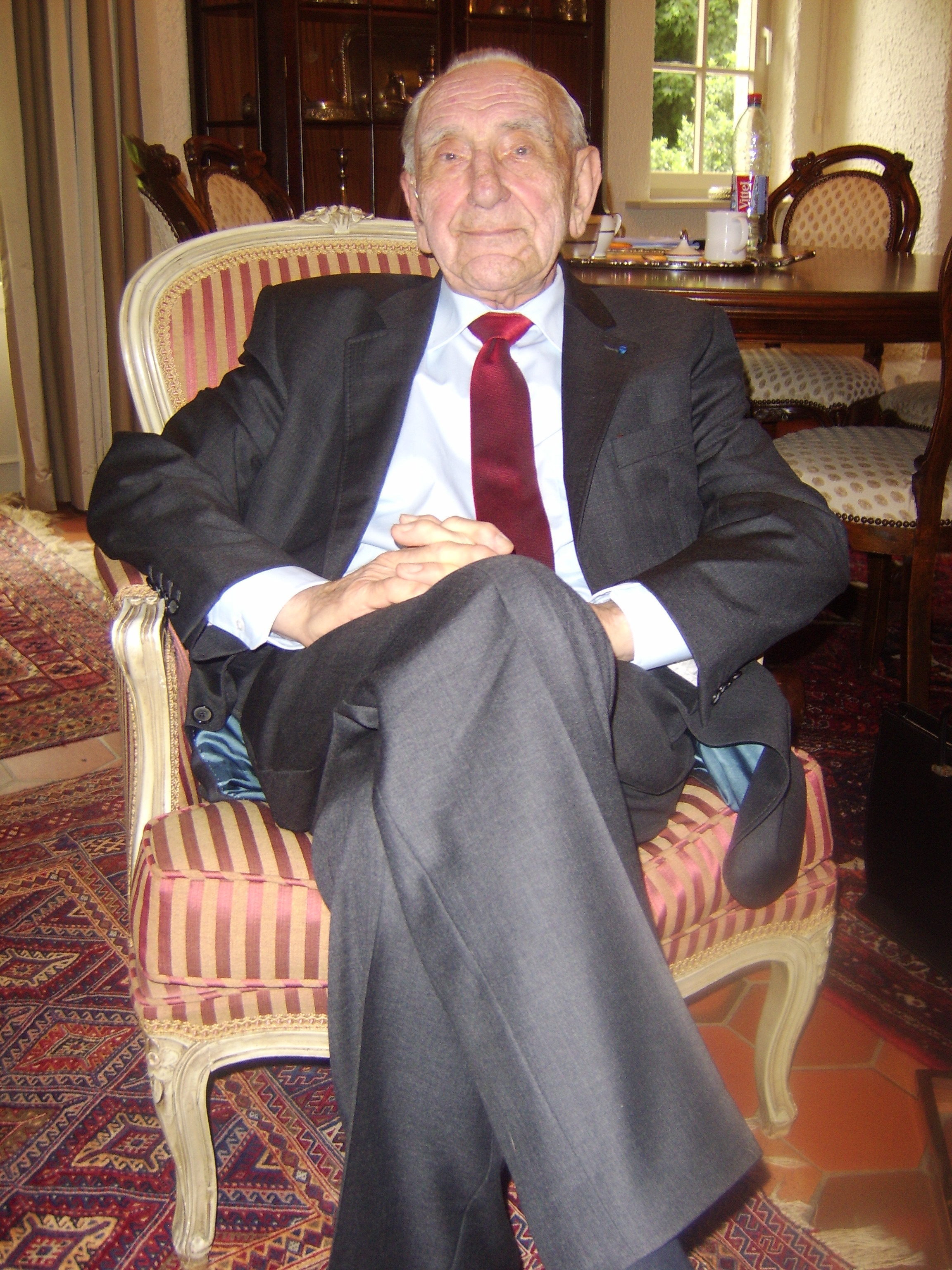
Men like Jozef Craeninckx, who was just a teenager at the time and had grown up in what would at other times seem like a rural idyll. The war changed that, and Jozef witnessed some of the worst of humanity. Seeing him break down a lifetime later as he described what happened to his father gave me fresh energy to complete this story.
I tracked down relatives of those on the train. Descendents of the airmen, who found photographs, told me what they knew, and in some cases even read proofs of the manuscript to ensure I was doing their loved-one justice.
And relatives of the young resisters, too. One, Guy Jaspers, whose family had helped John Evans, gave me a real insight into what life was like under Occupation and the tension between those who found themselves collaborating and those who resisted – a tension which can sometimes transcend the generations. Guy’s help with translations was also invaluable.
But the research continued to present a challenge. After the events of the ‘Ghost Train’ everyone involved disappeared back into their lives. The airmen returned home – most often to the United States – and the Germans involved were killed or sent to prisoner of war camps. The resisters were working men and women who went back to their work and homes, often struggling with the trauma of having been tortured or the searing pain of loss: they did not want to relive it. The spies on the train were bound by the Official Secrets Act.
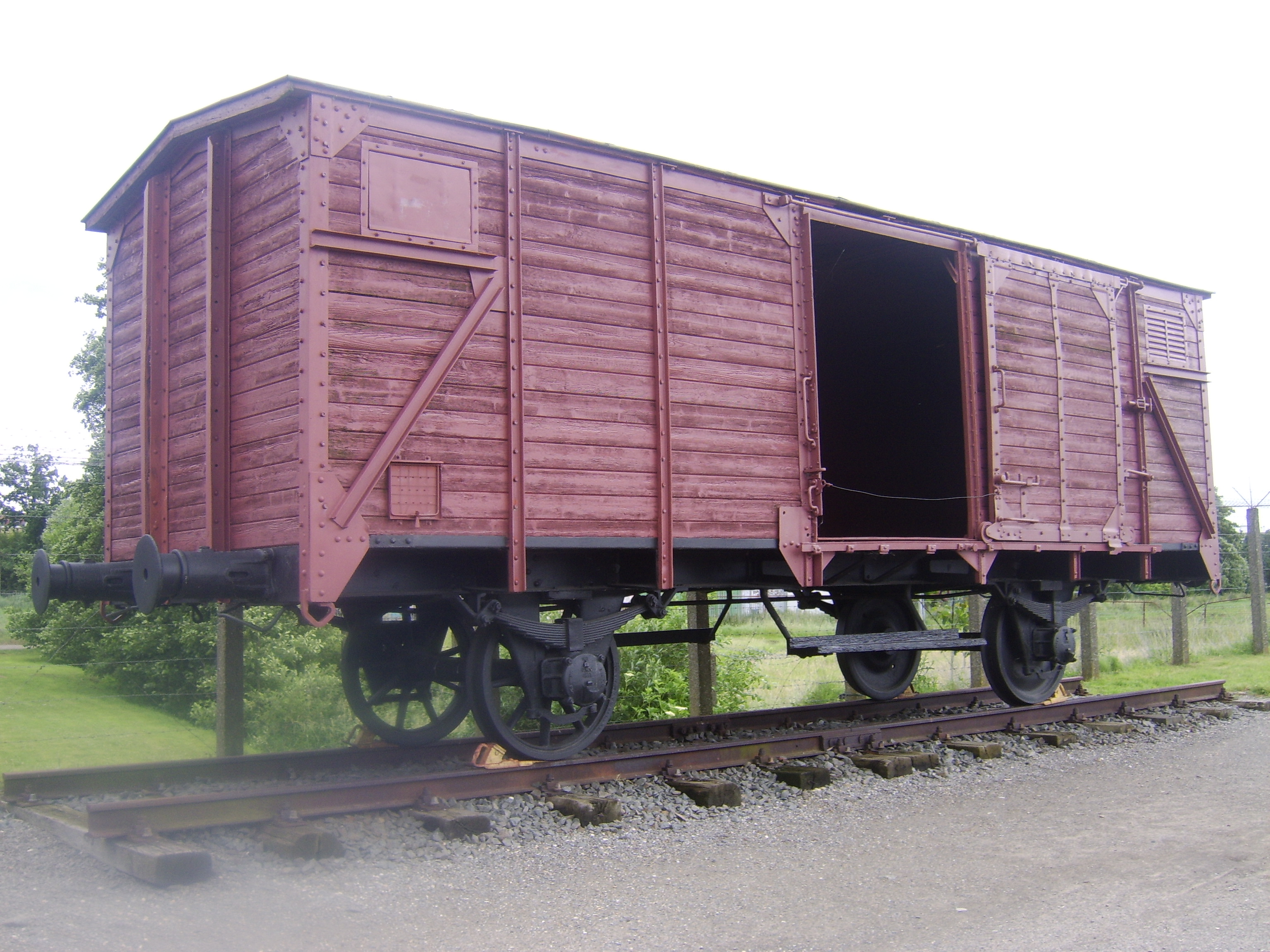
Even the train’s central hero – an ordinary man who had never taken part in act of resistance before – just walked back into work the day afterwards and got on with his job, as he had, indeed, done throughout he war.
And at the heart of this true-life drama was a story few had wanted to revisit: the life of Prosper Dezitter, a man who ranks among WW2’s darkest villains. If he were the fictional character he sometimes seems to be, he would feel almost ‘dastardly’. The story of Dezitter’s treachery, British intelligence efforts to identify him, and his unparalleled ‘success’ as a double agent makes for a riveting, at times astonishing, read.
But he is not fiction. His actions and betrayals are real. People not only became prisoners because of him, they were tortured and executed. Hundreds, possibly thousands, of them. And what he did had nothing to do with conviction or ideology: there is no evidence that he believed in anything, only in money and achieving greater wealth for himself, while the rest of the world suffered.
Dezitter’s story is buried in declassified documents from MI5, SOE and the Abwehr, and, when he is revealed in the interviews given to intelligence officers by the airmen he betrayed, he is spoken of only by the aliases he used. They never knew the name of the man who tricked them.
So, the ‘Ghost Train’ kept me searching. I spent hours in the Belgian archives uncovering detailed information in French, Flemish and German, including unpublished interviews with the train driver and the anti-Nazi doctor who helped stop the train. I scoured the records of the UK’s National Archive and the USA’s NARA for the escape and evasion reports completed by airmen on their return to England and the crews’ mission reports. I found out-of-print books such as Françoise Labouverie’s memoir, one of the few to devote a whole chapter to the train.
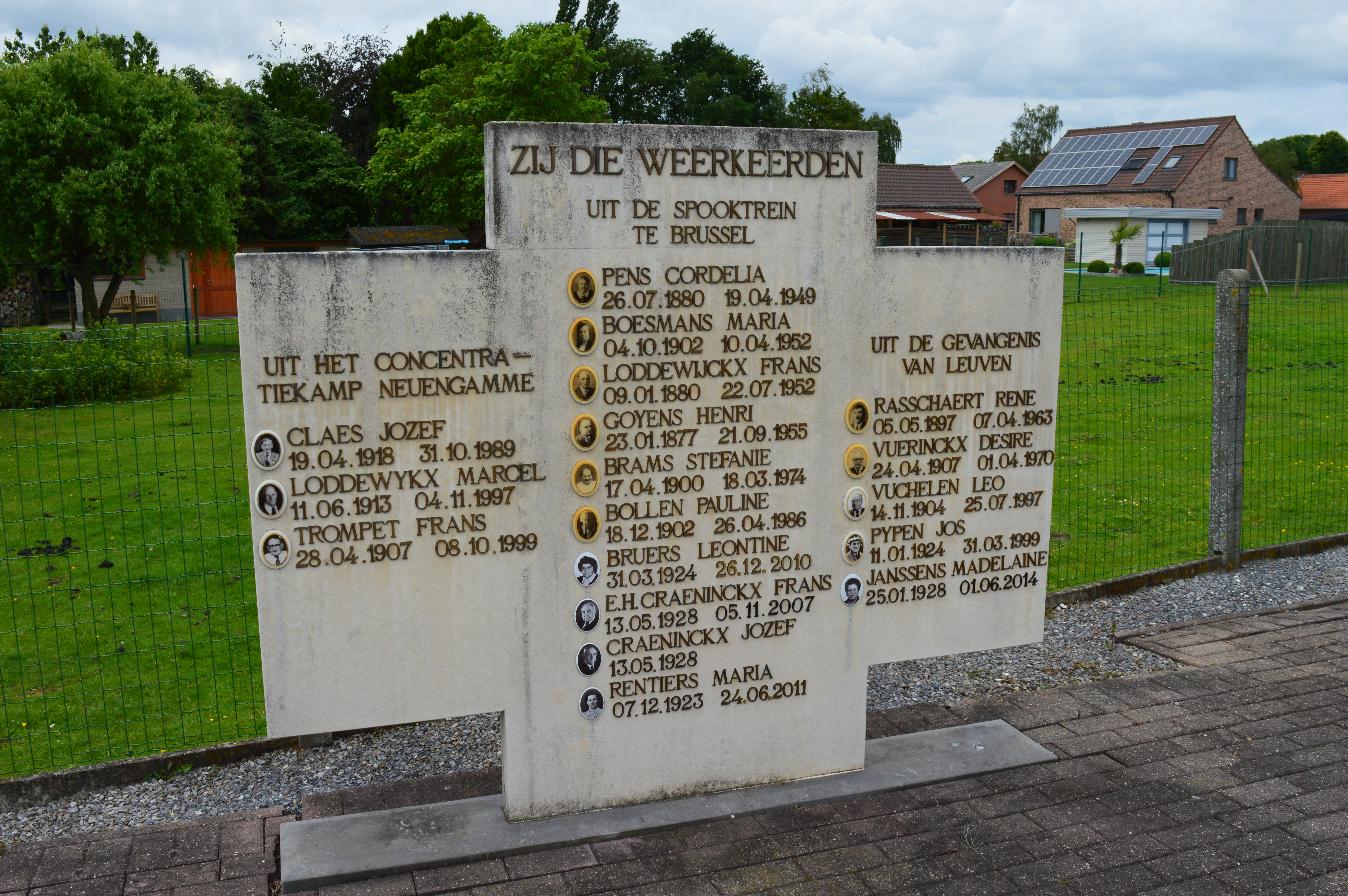
I visited the fascinating village of Meensel-Kiezegem – scene of resistance and atrocity – and the ‘Dog House’ where many airmen were trapped by Dezitter. I followed the route of the train to understand the geography of the story.
Over the years there have been some wonderful researchers – many of whom I have met or corresponded with. I’d like to mention one I never got to meet: Oscar Catherine.
Oscar had his own remarkable war. Wounded while defending his homeland in 1940, he had been evacuated to England where he met and married a woman working for the Ministry of Information. Trained as a saboteur, he parachuted into Belgium in January 1942 with a wireless operator and a list of targets. Having spent a year sabotaging railway lines and factories, and starting an underground newspaper, he was eventually arrested and sent to Dachau concentration camp.
After the war he researched and documented the Resistance and took a particular interest in the ‘Ghost Train’. Finding the documents he submitted to the Belgian archive, CegeSoma, gave me a huge boost.
Thank you, Oscar.

‘The Nazi Ghost Train’ is published by Mirror Books
Available from Waterstones, Amazon & wherever you buy your books.
 Greg Lewis
Leave a comment