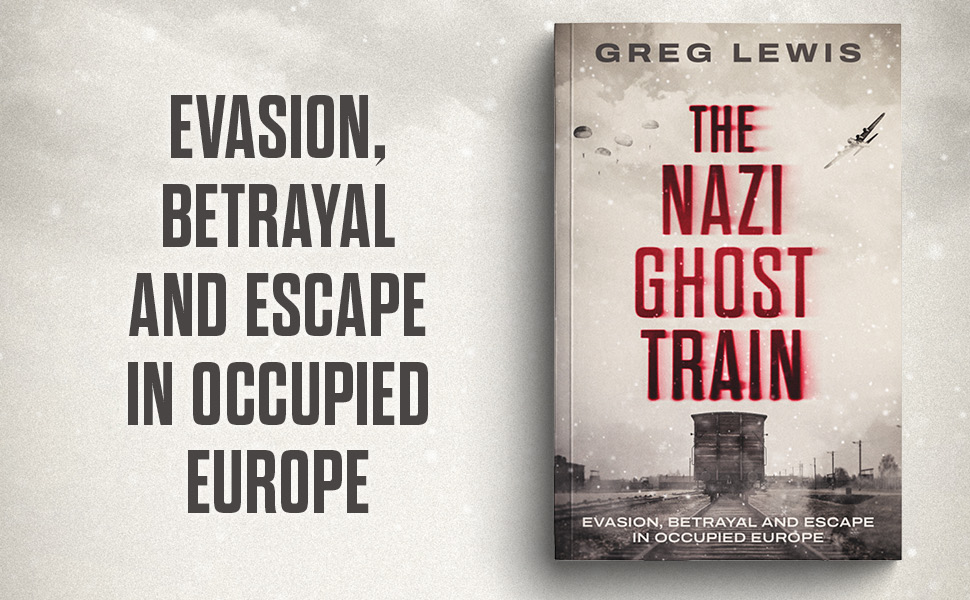
My latest book, ‘Nazi Ghost Train’, tells a remarkable true story of escape, evasion, and resistance from World War 2.
Allied airmen who had been shot down and managed to get help from evasion lines were caught in a trap set by one of the worst traitors of the war.
Imprisoned with members of the resistance and SOE agents, they were put on a train to be taken to a concentration camp. But, with Brussels about to be liberated, a small group of resistance heroes were determined to stop the train from reaching Germany.
I researched the book over several years and kept working on it while completing other projects, such as ‘Defying Hitler’ with Gordon Thomas. I had help from people in the UK, Belgium, the USA, and Canada.
While the sources are in the printed book, the publisher did not have space for my reference notes, so I am pleased to include them here.
If you have any questions, please let me know!
CHAPTER ONE: A BAD OMEN
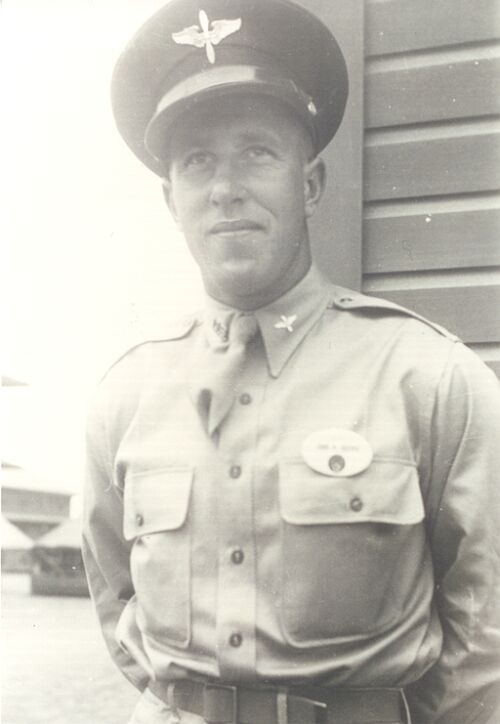
This chapter includes information from EE-1841 (John Brown); EE-2101 (Theodore H Kleinman); and the Missing Air Crew Report (MACR 2564) for their aircraft, which is held by NARA.
American escapers and evaders filled out MIS-X reports upon their return to England. All references with the prefix EE relate to these files. These reports are available for download from the US National Archives and Records Administration (NARA) in Maryland.
I also accessed information from the Kleinman family article at http://www.americanairmuseum.com/person/209009; a note written by Sherman Gillespie, a friend of Brown’s, in 1994; and an email from Steve Kleinman dated 2004 published at https://100thbg.com/personnel/?personnel_id=2842.
The 100thbg website also includes excerpts from the diary of Richard Brady – Brown’s regular wireless operator. It stated that John Brown’s life had been saved on the Munster raid by one of the gunners, Lawrence Pratt.
Richard Tangradi’s observations on the German fighter attack were recorded in his undated note on the 100thbg.com website. Tangradi’s obituary was at: https://www.parisefuneralhome.com/tribute/details/1822/Richard-Tangradi/obituary.html.
Tangradi recorded: ‘I could hear and feel his shells hitting all over the plane. This seemed like it was going on for hours but it was only a couple of minutes.’
Further information about the USAAF is taken from Donald L. Miller’s Eighth Air Force and the 100th Bombardment Group website.
Regarding the death of Bill Kemp: in MACR 2564, the radio operator George Toomey states that, after his capture, he was taken to the hospital to identify Kemp’s body. In their evasion reports both Brown and Kleinman list Kemp’s position as tail gunner but he was assigned as a waist gunner. Apart from Kleinman and Brown, all the survivors were soon taken prisoner. Back on base, when the news came in that Brown and the crew were lost, Richard Brady, one of the ill crew members, recorded that it was ‘a heartbreaker to us all and we feel very bad’ (diary of Richard Brady).
CHAPTER TWO: PROMISE TO RESIST
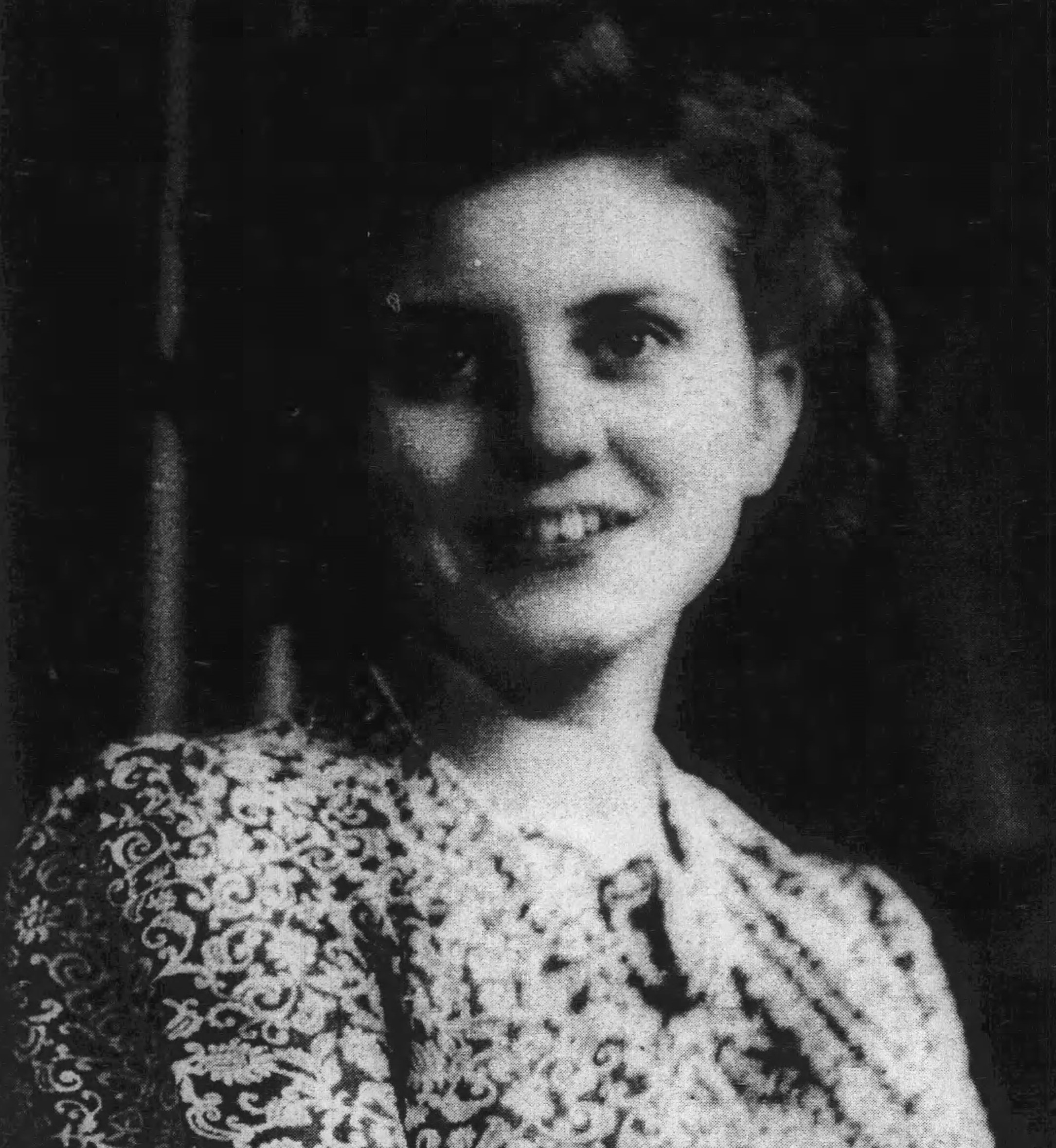
Key sources for Françoise Labouverie’s story include her memoir In Defiance, which she published as Françoise Rigby after she had moved to England and married; La guerre secrete des espions belges by Emmanuel Debruyne; and Freebelgians.be.
In Most Secret War, RV Jones describes the work of Tégal as of ‘very great value’.
I found the work of Belgian Resistance veteran Herman Bodson to be extremely helpful, especially his book Downed Allied Airmen and Evasion of Capture: The Role of Local Resistance Networks in World War II, as was M.R.D. Foot’s SOE in the Low Countries.
An excellent source on the invasion of Belgium is Jean-Michel Veranneman’s Belgium in the Second World War. Veranneman estimated that as many as 150,000 people may have been connected to Belgium’s armed resistance groups. He also stated that between 1942 and 1944 the Germans executed 240 hostages in Belgium.
The radio operator known as ‘Bob’ by Françoise may well have been Albert Plaetsier. Françoise records that Hauman was arrested on September 23, 1943.
Some people were members of more than one resistance organisation. For instance, Victor Schutters told me that his grandfather, also known as Victor, belonged to the armed resistance and sabotage groups, the MNB and Groupe G, as well as the intelligence gathering group, Athos. He also joined the Comet Line in February 1944.
CHAPTER THREE: UNDER SUSPICION
EE-1841 (John Brown); EE-2101 (Theodore H Kleinman); the wonderful Comet Line website at https://www.evasioncomete.be/; and https://www.cometeline.org.
Madame Verstraeten also featured in the evasion report of Philip Tweedy at https://www.evasioncomete.be/ftweedyph.html. Edmund de Bruyn also featured on conscript-heroes.com.
In EE-2101, Kleinman stated that the other Liège safehouse involved in sabotage was run by Andre Mortier. The airmen’s evasion reports – including Brown’s – usually refer to The Witte Brigade (later known as the Witte Brigade-Fidelio) as the Armée Blanche or the White Army.
CHAPTER FOUR: LUCKY ESCAPE
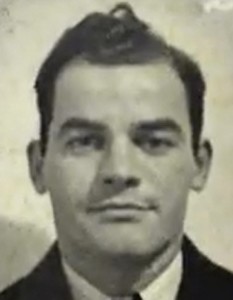
An excellent telling of Bill Grosvenor’s story is contained in the documentary ‘Last Best Hope’ (directed by Mat Hames, 2006), which includes interviews with Jeanne Baumann (daughter of Elza Raes), Vic Vermeiren, Marcel Harnie, Raymond Itterbeek, Christine Leroy-de Hoffman (Madame Van der Gracht’s great grand-daughter), farmer Albert De Loose (who was forced at gunpoint to show the Germans around his farm), as well as Bill himself and the testimony of Maria Buchet about the torture to which she and her son were subjected.
There is also essential information in Grosvenor’s MIS-X file, EE-1881, and at http://www.evasioncomete.org/fgrosvewd.html.
Prosper Spilliaert’s business at Avenue de la Reine in Schaerbeek was destroyed by American bombing in May 1944. The other airman who waited at the Gare du Nord with Grosvenor was New Yorker Robert Francis Wernersbach, according to http://www.evasioncomete.org/fwernerrf.html.
The description of Michou Dumon is from airman Ray DePape, quoted in Oliver Clutton-Brock’s RAF Evaders. The Dumon family name is often misspelled ‘Dumont’, including sometimes in files in the National Archives. I interviewed Michou’s equally courageous sister, Andrée, whose codename in the Comet Line was Nadine, on several occasions – she was a legend to those interested in the evasion lines. To add to Michou’s name confusion, her debrief interviews in London were recorded under her codename, Lily.
Michou had become one of the Gestapo’s most wanted before Christmas 1943 when her friend and helper, Jean Macintosh, an English woman living in Brussels, had been arrested and had revealed Michou’s name and address under torture.
CHAPTER FIVE: SCHRÄGE MUSIK
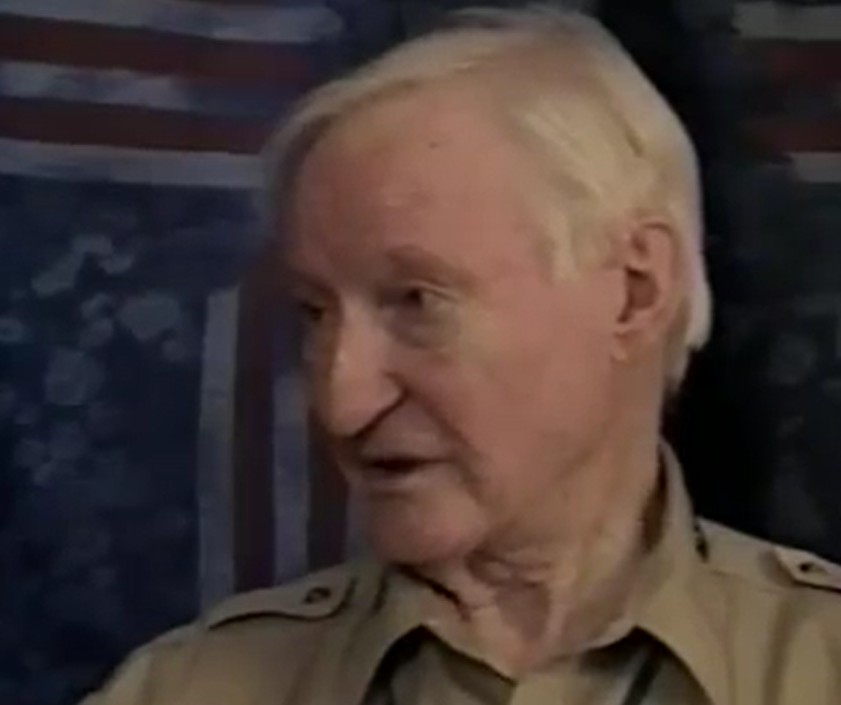
For details on Stuart Leslie see a number of sources: his escape and evasion report at the National Archives (WO 208/3350/1499); The Leader-Post (September 28, 1944); his obituary which was published in the Vancouver Sun on March 3, 2018, and was also hosted at https://kearneyfs.com/obituaries/stuart-leslie.
His story also featured in the book The Evaders by Ed Cosgrove. A collection of stories about RCAF evaders and escapers, it is based on interviews with the veterans themselves. It includes the reported speech used here.
Information about Leslie’s raid was accessed at www.luchtvaartgeschiedenis.be on January 1, 2019, although the link is since broken. I have a copy of the article should a fellow researcher request it.
I was in correspondence with Luftwaffe ace Georg Greiner in February 2009. Greiner is the man who shot Stuart Leslie down. His aircraft was on a ‘kill’ list which Greiner sent to me.
Note: Of the 340,000 men who saw service as aircrew with the RAF during the war, 134,000 came from ‘the Dominions or other parts of the Commonwealth’, according to Royal Air Force 1939-1945, Volume 3 by Hilary St George Saunders. By June 1944, there were also half-a-million American air force personnel in the United Kingdom, making up 40 heavy bombardment groups with a combat fleet of 3,000 Flying Fortresses and Liberators across the east of England (Donald L Miller).
And a note on the fates of Stuart Leslie’s crew: the Commonwealth War Graves Commission records that Sergeant Earl Baldry, Sergeant George Elliot, Flying Officer John Hawke, Warrant Officer Garnet McCann, Pilot Officer George Vipond and Flying Officer Robert Webster are all buried at Oudenaarde Communal Cemetery in Belgium. One man, possibly, George Elliott, had succumbed to his injuries on the ground.
CHAPTER SIX: ‘MIKE, THE SPIRIT OF LSU’
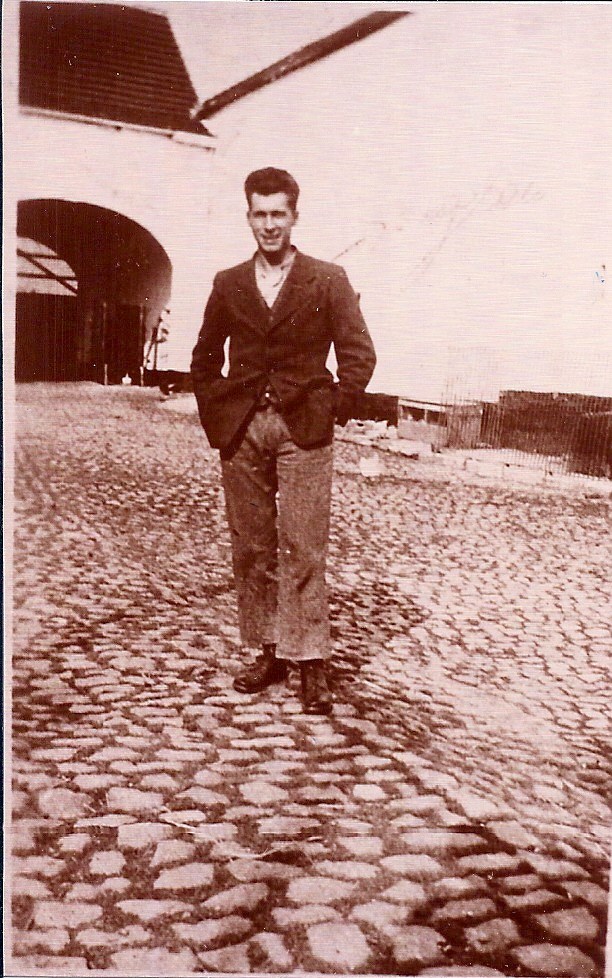
This chapter uses information from the following MIS-X files: EE-1595 (Al Sanders) and EE- 1877 (Henry Wolcott); and the Mission Report for 486th Bomb Group which is at Record Group 18, at NARA. In Sanders’ evasion report, his helper Melchior Resteau appears as Deseau; it’s either a mistake on Sanders’ behalf or it is simply (for security reasons) the name he was given.
The story of the raid in which ‘Mike, the Spirit of LSU’ was shot down features in Mission 376 by Ivo de Jong, which included interviews with several men on the mission.
I was fortunate to have the help of Elizabeth McDaid, who sent me the article ‘The Great Escape’ by Al Zdon which was published in the Minnesota Legionnaire in January 2016.
I am also grateful for the help of the Air Forces Escape & Evasion Society, which not only publicized my appeals for information about airmen featured in this book but also sent me research material. It holds the article ‘Al Sanders’ by Myrna Camp and Winkie Ruiz, from the Waverley Gardens Newsletter (date unknown) which was also a great deal of help in telling Sanders’ story.
Note on the fate of Al Sanders’ crew: he learnt during his escape that all his crew were alive, although some had been captured.
In an online article, ‘The Dog House at 16 Rue Forestière, Ixelles, Brussels’, Keith Janes and Philippe Connart suggested that one of the farmers who helped Sanders when he was in Alex’s care may have been Albert Caban, of Nederhasselt. The article can be found at http://www.conscript-heroes.com/escapelines/EEIE-Articles/Art-18-Dog-House.htm
CHAPTER SEVEN: THE CARPETBAGGERS
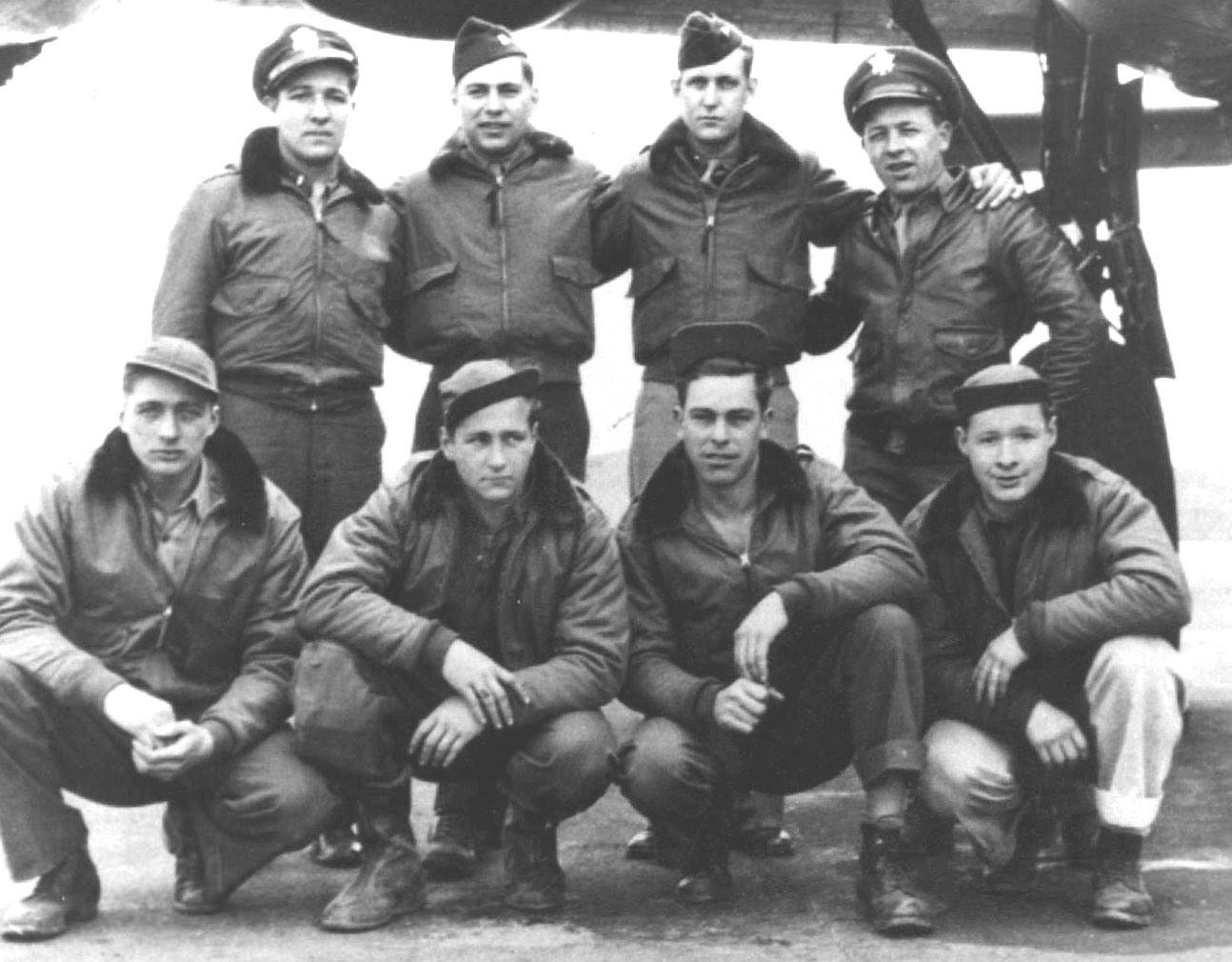
Sources for the story of Henry Wolcott and his crew include EE-1591 (William Ryckman); EE-1877 (Henry Wolcott); EE-1915 (Robert F Auda); EE-1916 (Wallis Cozzens); EE-1918 (Dale S Loucks); pages from the crew’s mission reports from NARA; and material from the AFEES magazine (September 2001).
I’m extremely grateful to Nathan Ware (Dale Loucks’ grandson) for help with information and photographs.
Information regarding the way in which Virginia Hawkins learned of the death of her husband, Dick, came from reports in the Marion Star newspaper on June 13 and 19, 1944.
Good sources on the Carpetbaggers at Tempsford include The Tempsford Academy by Bernard O’Connor; The Bedford Triangle by Martin W. Bowman; and Carpetbaggers by Ben Parnell.
Note: It is sometimes noted that crews referred to women agents as ‘Janes’ or ‘Josephines’, but very often all agents were referred to simply as ‘Joes’.
The agents which the crew had been unable to drop into north-western France the week before they were eventually shot down were: Robert Rodrigues, Raymond Nagel, Antoine Levasseur and Denis Masson.
According to the Air Forces Escape & Evasion Society magazine, September 2001 and research by Dirk Vijverman the blazing wreck of the Carpetbagger Liberator came down in a field near the hamlet of Ashage.
Following his arrest, Léon Bar was tortured but gave no information away. He was executed at the Tir National in February 1944 (SOE in the Low Countries by Foot).
CHAPTER EIGHT: DEATH IN THE WATER
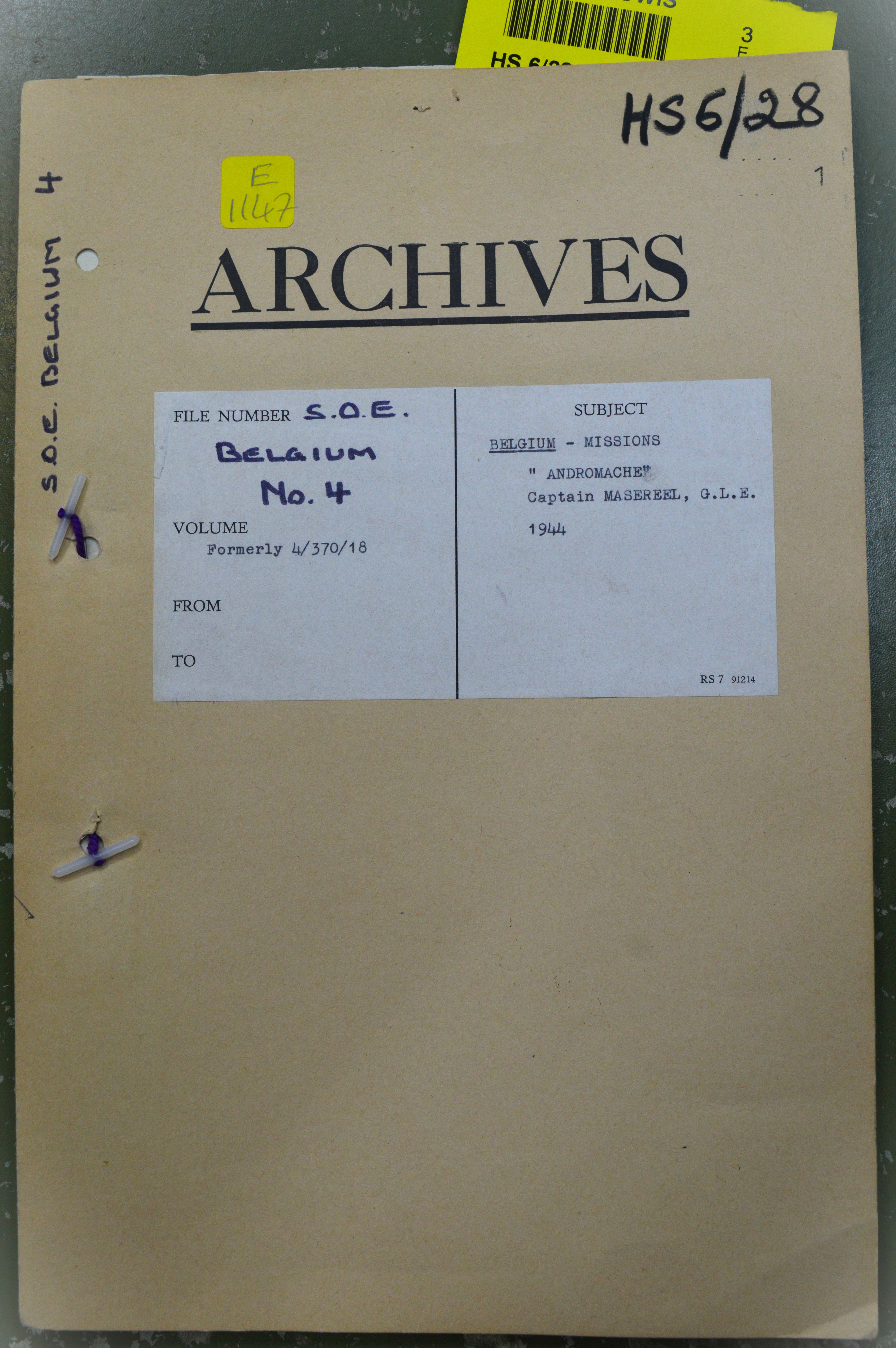
Gaston Masereel’s file is at the National Archive, designated HS 9/997/9, and it formed the main source for his story. In addition, I used the ‘Andromache’ mission file (HS 6/28). The story of his war also featured in Histoires de Résistants by William Ugeux and, briefly, in SOE in the Low Countries by M.R.D. Foot. Further information on the dangers to SOE radio operators (and the technical aspect of the work) came from SOE Agent by Terry Crowdy.
The story of the soldiers which Masereel killed is an astonishing one. In December 1944, after Masereel returned to London, SOE investigated his account, noting its ‘unusual features’ which ‘at first acquaintance, seem surprising’. Its report stated that Masereel was, at the time of the fight, a ‘desperate man, well-trained in silent killing’ and concluded that the officer who interrogated him believed that Masereel’s ‘demeanour in recounting the event [left] no real doubt that he was speaking the truth to the best of his ability’ and had tried to give a ‘true account of what took place’ (HS 9/997/9).
In Histoires de Résistants, William Ugeux states that investigations by the Germans and the Dutch concluded that Masereel had managed to push three of the men into the water and shot them. Ugeux does not give any further detail about those sources.
CHAPTER NINE: SECRETS AND SABOTAGE
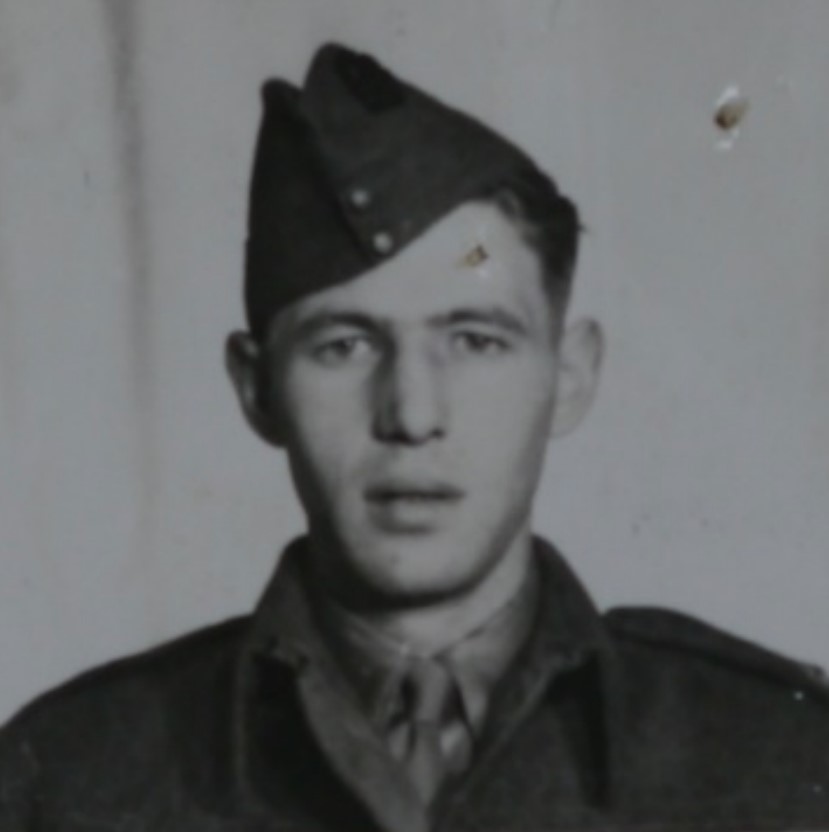
The key sources for François Reeve’s story are his SOE personnel file (HS 9/1241/4), which includes, among other important documents, the report of his interrogation carried out by SOE on September 18, 1944, and the brilliantly researched biography of Trotobas, Agent Michael Trotobas and SOE in Northern France by Stewart Kent & Nick Nicholas. Further sources of more general information include SOE in France by M.R.D. Foot.
I am also grateful to evasion line and resistance expert Michael Moores LeBlanc who assisted me in my research over many years and has taken a great interest in Reeve.
Note: The ‘boxing’ match between Trotobas and Reeve is described by group member Arthur Malfait in Kent & Nicholas, although, perhaps understandably, as the authors themselves note, Reeve makes no mention of it in his SOE personnel file.
Although some have disputed that Trotobas told Reeve on November 24 that he was going to move, SOE noted that he was ‘very emphatic’ on the point. Michael Moores LeBlanc described Reeve as ‘unfairly… much-maligned’ in an email to me on June 29, 2013. Reeve’s SOE interrogator believed his upset at Trotobas’ death to be ‘totally sincere’ (SOE interrogation report in Reeve’s personnel file).
In an official inquiry conducted shortly after the liberation of France and Belgium, Major René Dumont-Guillemet, of SOE, concluded that Reeve was not a ‘traitor’ for giving away Trotobas’ address, but questioned whether Reeve should have given away the address ‘so quickly’. He believed Reeve’s distress about Trotobas’ death to be ‘totally sincere’.
Kent & Nicholas note that it was, in fact, possible that Trotobas had stayed on at the address for one night longer than he had told Reeve out of concern for Denise Gilman, who, at least one résistant believed, may have been pregnant.
Huge numbers of résistants linked to the FARMER network were arrested, tortured, or killed, but Trotobas had laid the groundwork so skilfully that, within days of his death, members of his group destroyed eleven locomotives at Tourcoing. Under Arthur Malfait – one of Reeve’s severest critics – the Resistance in the area exceeded SOE’s demands for sabotage in the run-up to D-Day. It destroyed or damaged telephone lines, enemy vehicles, anti-aircraft guns, factories, pylons, and dozens more locomotives. It even blocked the Roubaix canal, a key artery for the transportation of military materiel to northern France (Kent & Nicholas).
CHAPTER TEN: A CHATEAU NEAR NAMUR
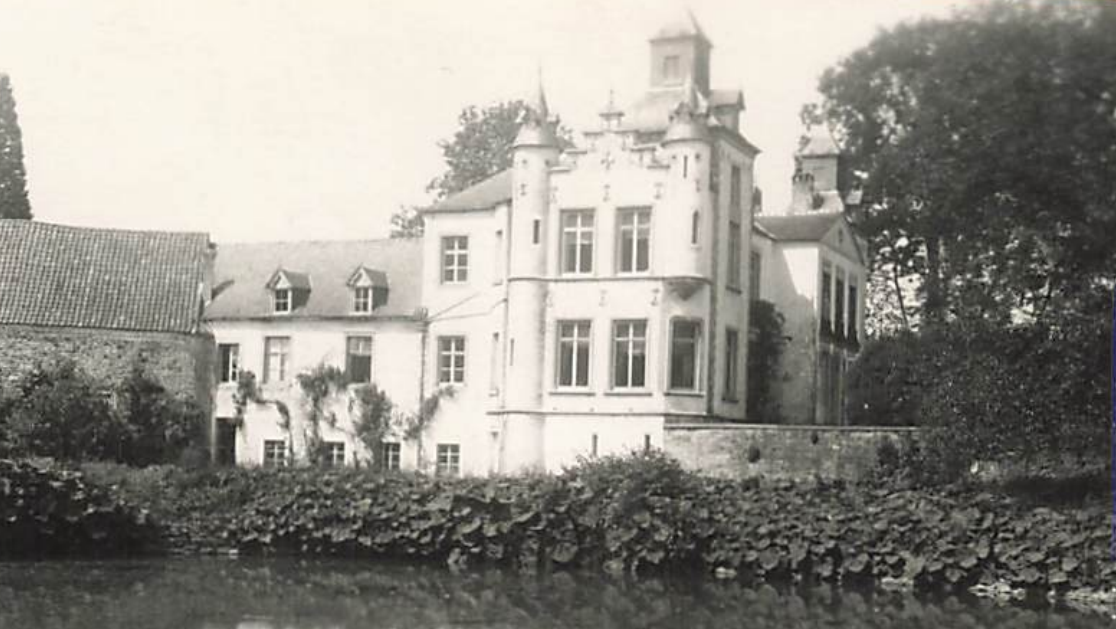
Stuart Leslie’s evasion is based on the account given to Ed Cosgrove in The Evaders, his escape and evasion report (WO 208/3350/1499), and the work of the Evasion Comète website.
Note: The Evasion Comète website has uncovered two of Leslie’s helpers in Brussels but it is unclear when he saw them. They are Anna Vermeulen De Berg and Marie Thérèse Eliot. The same researchers also identify the family at Chateau de Thozée and note that the brother, Jean, died as a prisoner of war in Germany.
CHAPTER ELEVEN: CHECKPOINT
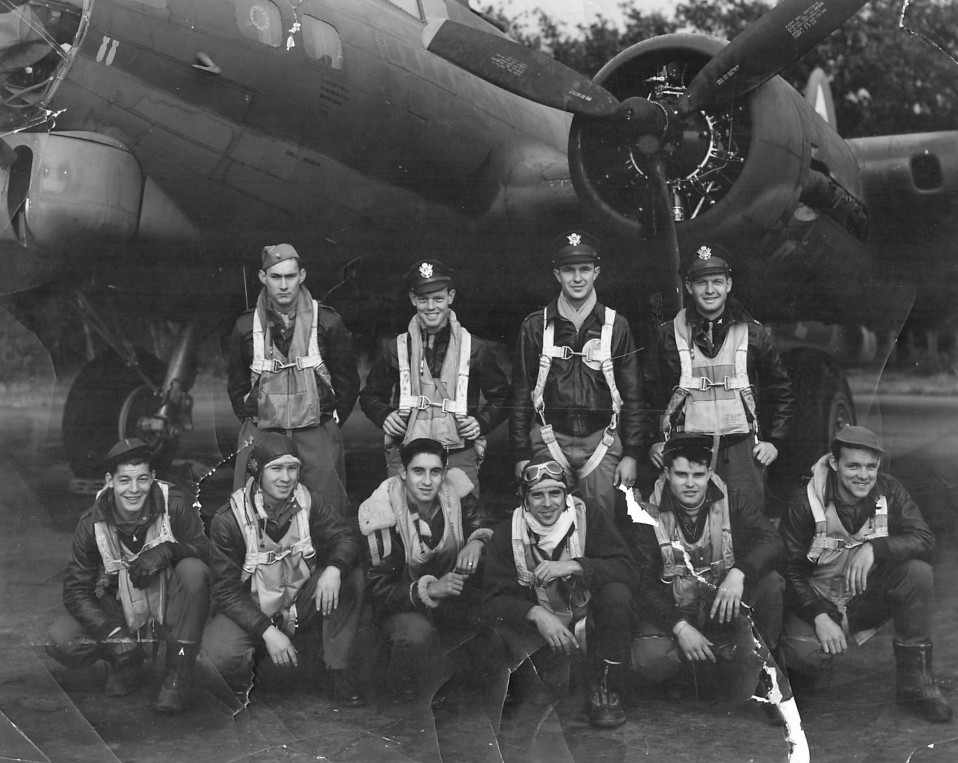
John Bradley’s daughter, Kat Taylor, provided me with photographs and family documents, including the unpublished ‘Diary of Lieutenant John Bradley’. Other sources include EE-1590 (John J Bradley) and EE-2143 (Royce McGillvary).
All the crewmen escaped the burning B-17, and all, except Bradley, were quickly taken prisoners of war (EE-1590). Their aircraft came down between the village of Vierlingsbeek and the river Meuse according to http://www.evasioncomete.org/fbradlejj.html. The convent which Bradley was taken to was probably the convent of Zusters van Voorzienigheid at the Dorpstraat in Dilsen-Stokkem.
Severin Moors’ sister, Gertrude, of Dilsen, was a 25-year-old Comet Line courier who helped 25 airmen evade capture. She was captured by the GFP on June 18, 1943, and tortured at Saint-Gilles. She died in Ravensbrück in March 1945, according to the book Beheaded by Hitler by Colin Pateman. According to Evasion Comète, Gertrude was believed to have died on May 5, 1945 – three days before the Nazis surrendered (http://www.evasioncomete.org/fbradlejj.html).
According to Evasion Comète, both Jean Schoenmaeckers’ father and brother had been arrested, and neither would return from concentration camps. A note in a post-war Belgian file on the resistance group run by Olympe Biernaux, née Doby, recorded the arrest of a Paul Schoenmaeckers on November 26, 1943. A copy of the file was sent to me by Jo Ann Michel. The document was written by the American army and recommended Olympe for a Medal of Freedom.
Information on the arrests of Lucien and Tina Collin was provided to me by Alex Marut and Guy Jaspers (son of resistance hero, René). Security meant the connections between networks were sometimes complicated and deliberately obscured, and therefore hard to trace. But, according to the ‘Rapport sur le Groupe Drion’ by the Belgian government (April 29, 1949), as well as being part of the Comet Line, Evasion was also connected to a regional network led by Joseph Drion.
Gabrielle Baltus is sometimes known by the surname Goemans.
Regarding the anti-Nazi newspapers which Bradley watch the Deleus prepare: there were a large number of underground newspapers in Belgium during the occupation; some lasting only a few issues. Many were linked to the Communist Party or the various trade unions connected to the railway workers, miners and factory workers. Some clandestine groups also produced leaflets and pamphlets in German with the aim of the moralising the occupying troops. Many Belgians died in concentration camps because of their part in writing and producing these underground publications.
Regarding Bradley’s helpers Joseph Hoebancx and Alice Van Elders: Evasion Comète stated that the Hoebancx/Van Elders house was at 30 Rue Guillaume Kennis. The ‘Diary of Lieutenant John Bradley’ noted that Alice’s cousin was Caroline Vermeylen.
Information on Yvonne Bienfait comes from Aircraft Down! by Philip D Caine and my research for one of my earliest books, Airman Missing. Yvonne helped my friend, John Evans, evade and she was held in high regard.
Before helping Bradley and McGillvary, Berthe Petryns-Serwy ran a safehouse in Malonne, according to the Evasion Comète. A British report into the EVA network said she helped ‘a large number of aviators’.
Regarding the moment of capture: The Evaders claims that when one of the soldiers found a bag in the truck and asked in French whose it was, McGillvary answered, ‘It’s mine,’ in English. But both McGillvary’s and Bradley’s escape and evasion reports, and Bradley’s diary, state that it was the discovery of the dog-tags which gave them away.
CHAPTER TWELVE: ‘HERE YOU ARE AT LAST!’
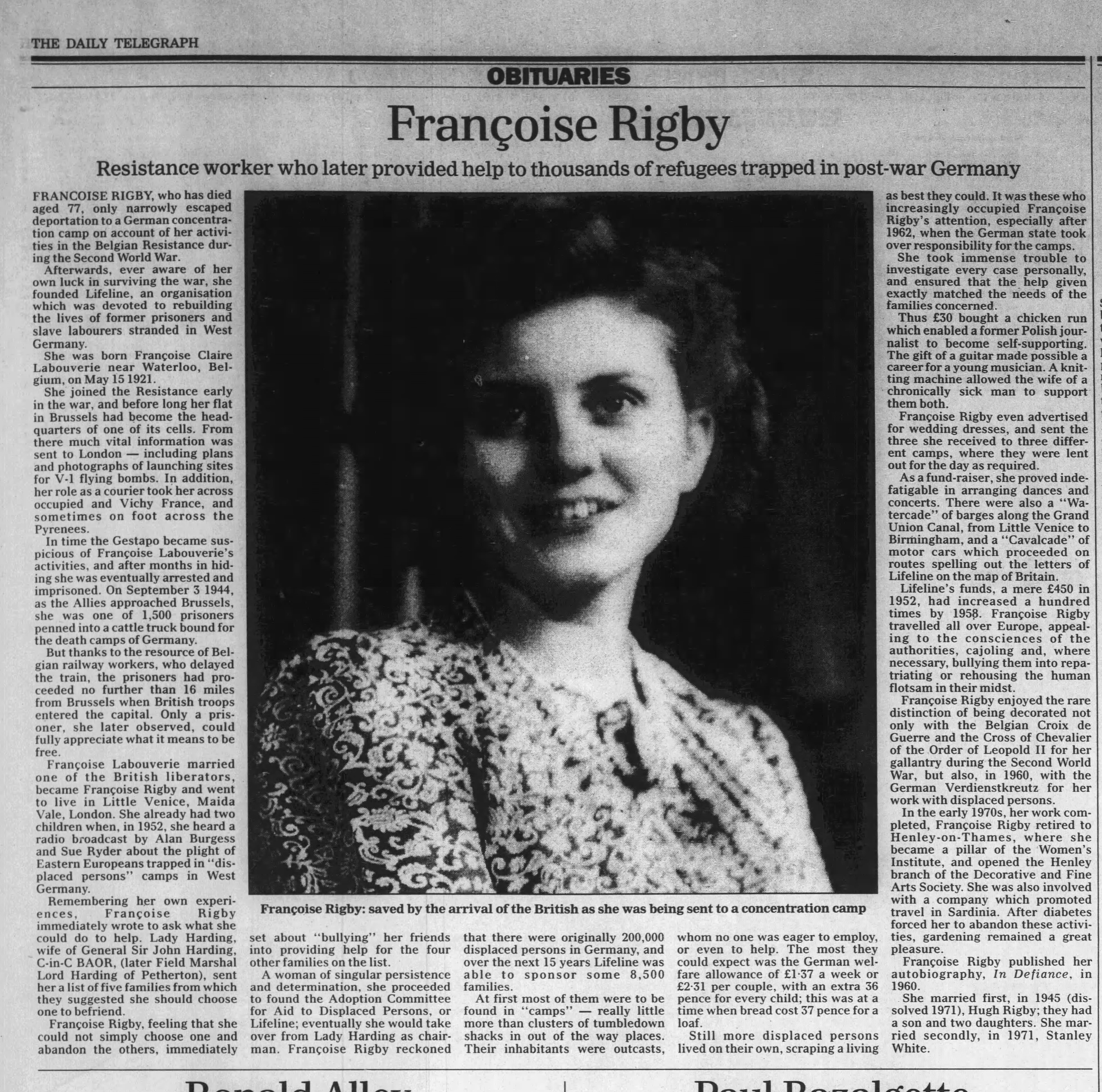
The key sources here include In Defiance; La guerre secrete des espions belges; and Freebelgians.be. Also, Françoise’s obituary in the Daily Telegraph of May 21, 1999.
V1 and V2 sources include, La guerre secrete des espions belges and Operation Crossbow by Allan Williams.
The Masereel story again relies on his file at National Archive HS 9/997/9, which includes his debriefing interviews on December 8, 1944, and on January 30, 1945, by SOE’s Major De Guelis (another fascinating agent whose adventures must be explored at another time!).
Information about Vught Concentration Camp comes from https://www.jewishgen.org/forgottencamps/Camps/VughtEngl.html
CHAPTER THIRTEEN: WORKING WITH THE RESISTANCE
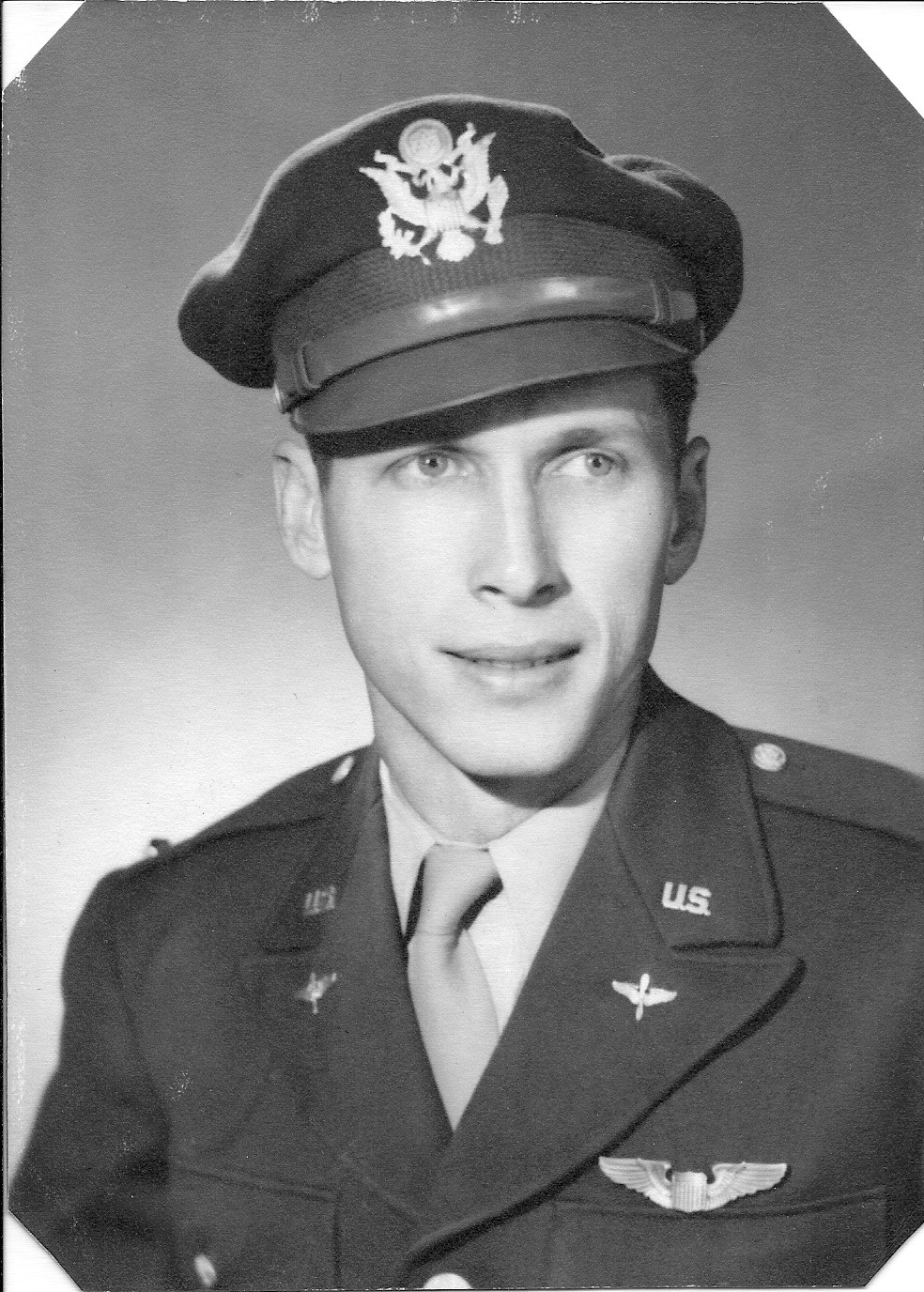
The main sources here are again EE-2143; EE-1841; EE-2101; The Evaders; and the ‘Diary of John Bradley’.
Sources on Sanders and Wolcott’s evasion include EE-1595; The Air Forces Escape & Evasion Society magazine; and ‘The Great Escape’ by Al Zdon (Minnesota Legionnaire).
Regarding Georges Tondeur’s arrest: Tondeur had been taken away because one of two bicycles found in the farmyard was registered in another province (Waverley Gardens Newsletter). Tondeur does not appear to have been interrogated, and he was released two weeks later, according to The Bedford Triangle.
According to Waverley Gardens Newsletter, the hill-top mansion near the village of Clabecq this may have been the Chateau Janssens-De Stordeurs.
The estimation that three thousand children were saved from certain death by Resistance groups in Belgium comes from the chapter ‘The Jewish Resistance Movement in Belgium’ by Jacob Gutfreind, in They Fought Back, edited by Yuri Suhl. The figure stating that, of the 26,000 Jews who were deported to extermination camps during the occupation, only 1,200 survived, comes from Liberation by William I Hitchcock.
Basic biographical information regarding Jeanne Claes-Frix comes from her Service EVA file, which I received courtesy of Michael Moores LeBlanc. She also appeared in both Grosvenor’s and Brown’s evasion reports. The documentary ‘Last Best Hope’ continued to be a key source for Grosvenor’s evasion.
Victor Schutters was another of the exceptionally brave helpers of the Comet Line. Working with the line and other resistance groups, he helped 21 Allied airmen during the occupation (Documents provided by Michael Moores LeBlanc and compiled by the Headquarters, European Theater of Operations, September 3, 1945).
Information regarding the work of the Abwehr agents ‘Emile’ and Van Muylem comes from my correspondence with Michael Moores LeBlanc and also The Dutch Resistance Revealed by Jos Scharrer.
Hitler’s Kommandobefehl – Commando Order – is explained in MI9 by Foot & Langley and at https://www.combinedops.com/Hitlers_Commando_Order.htm. It also featured in Nuremberg by Airey Neave.
Regarding Captain Fernand Barbaix: in his evasion report Kleinman stated that Barbaix was killed on September 3, 1944. It is possible that Barbaix’s real name was Luc Evrard, who appeared in EE-1593 (Hugh Bomar). Bomar described Evrard as a former captain in the Belgian army who ran a grocery story with his English-born wife, Yvonne, who also worked in the resistance.
The Kleinman family article on http://www.americanairmuseum.com/person/209009 was also of help for this chapter.
CHAPTER FOURTEEN: A BETRAYAL REVEALED
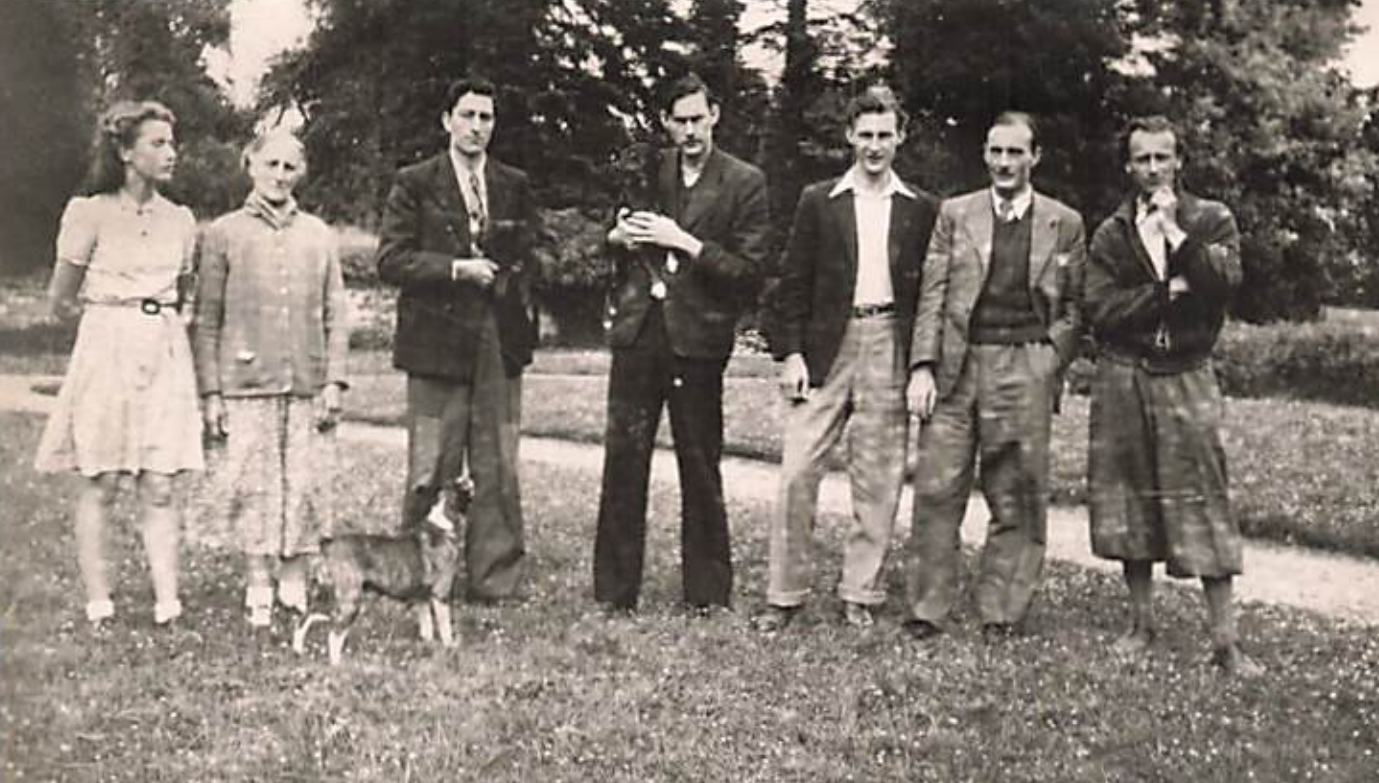
Main sources: The Evaders; the ‘Diary of John Bradley’; EE-2143; EE-1590; EE-1591.
Prisoners (in their evasion reports) often believed they were taken to the headquarters of the Luftwaffe police, but they were in fact taken to buildings belonging to the Gestapo or Sicherheitspolizei or SiPo (Security Police) at the Avenue Louise. Bradley suspected that he was taken there on about August 8 but McGillvray’s E&E estimated August 2 and it could be nearer that date.
Regarding the ‘Dog House’: the house is sometimes referred to as ‘the Kennel’ but Texan Hugh Bomar was clear in his MIS-X report that the term the airmen used was ‘Dog House’ (EE-1593).
Prosper Dezitter’s name is spelt in a variety of ways in the records, including Prospeer, De Zitter, De Zutter and Desitter. I’ve chosen what appears to be the most commonly used spelling.
CHAPTER FIFTEEN: THE MAN WITH THE MISSING FINGER
Prosper Dezitter documents at the National Archive are designated as KV/2/1732 and KV/2/1733. KV/2/1733 includes two SOE reports into Dezitter. The first report was by D.C.M. Wadeson and is dated May 30, 1944. The second is Major John Delaforce’s ‘Prosper De Zitter [sic] report’, which was written in March 1945 and was based on Belgian Sûreté and police records, SOE interrogations, and interviews by Delaforce with German agents under arrest in Belgium. The website belgiumww2.info was also an essential source. The website stated that Dezitter sometimes claimed to have been born in Boulogne.
Information on Dezitter’s return to Belgium, his car smuggling, and his marriage swindles can be found in Downed Allied Airmen and Evasion of Capture: The Role of Local Resistance Networks in World War II by Herman Bodson.
Florentina Giralt is variously referred to by her maiden and her married names in official documents. Biographical information on her can be found in a 1946 MI5 report contained in KV/2/1733. Michou Dumon’s observations on Giralt come from her interview in KV/2/1732 from June 27, 1944. Dezitter’s 1939 recruitment by Bayer (and most likely by the Abwehr) was recorded by Delaforce and a report by Belgian secret service (London) from March 21, 1944, contained in KV/2/1732.
The description of Kohl as looking like Paul Muni is from EE-1847 (John Singleton). As well as running Dezitter, Kohl may also have been involved in handling another notorious double agent, George Ridderhof, who at the time of the writing of the ‘Prosper De Zitter report’ was still known to the Allies by his alias Georges van Vliet. Ridderhof was a key figure in the Englandspiel counter espionage operation which Hermann Giskes ran in the Netherlands between 1941 and 1943; he came under Kohl’s control when working in Brussels on fake escape lines.
Information on the Dezitter aliases Michel Giralt and Doutrepont appeared in an SIS report to the British Security Co-ordination in New York City, dated July 13, 1943, (KV/2/1732); and the ‘Prosper De Zitter report’. His ‘black moustache’ description is in a Belgian secret service (London) report, March 21, 1944 (also KV/2/1732).
Some of the addresses given for Dezitter in an MI5 report of August 19, 1943, include Rue du Progres, Rue des Paquerettes, Rue de la Rotonde, Rue de Meridian, and Rue Royale (KV/2/1732).
Dezitter’s undercover work in Saint-Gilles is also outlined in the MI5 report and in the undated evidence of Belgian refugee Alphonse Martiny (KV/2/1732). His work as the Canadian captain and Belgian veteran is contained in a Belgian Sûreté report quoted by MI5.
Charles Jenart’s name is sometimes written as Genart or Jamart. The description of him as being ‘as dangerous as Dezitter’ featured in an MI5 memo, dated March 7, 1944 (KV/2/1732).
The conclusion that Thérèse Grandjean always believed Dezitter was genuinely working for the Allied cause appeared in a United States Army report on Grandjean, dated March 14, 1945 (KV/2/1733), and is further explored at https://www.cometeline.org/ABChelpers.html. The website also provided information on the meeting at Henri Michelli’s house.
Eric Weare’s MI9 report was included in KV/2/1733. Liberated by the Russians from a prison camp in Saxony he arrived back in the UK on May 18, 1945.
Regarding the rumours that the Germans paid Dezitter as much as 65,000 francs for an airman, Delaforce speculated that the figure may be ‘a little exaggerated’.
The claim that Desoubrie and Dezitter were friends appears in the report of Michou Dumon from June 30, 1944 (KV/2/1732).
Marcel Demonceau is listed in a post-war report on EVA as ‘Dumonceau’. He appeared in the account of E.L. Souter-Smith’s evasion which was at http://www.evasioncomete.org/fsouterel.html (accessed May 19, 2020; although the link was broken at the time of going to press). Further information on the attack on Paul Colin appeared in The Prisoners of Breendonk by James M. Deem. There was reference to the airmen in hiding at the Andries house under siege in http://www.evasioncomete.org/fcooperbe.html.
Annie Lalle’s name is sometimes spelt Anny Lall, Laal or Lally. I have used the spelling favoured by the report of an interview with Michou Dumon which was recorded on July 17, 1944. The report is dated July 25, 1944 (KV/2/1732). There was further information about Lalle at belgiumww2.info.
Michou Dumon stated that Belgian police had entered Lalle’s apartment before the Germans and found the Swiss passport. In her interview (KV/2/1732) Dumon did not state that she knew who killed Lalle. It must be noted that belgiumww2.info speculated that Lalle’s murder may have been a case of mistaken identity; that she may have been killed by a member of the resistance, believing she was Giralt. This view also taken by the authors of the evasioncomete.org website.
MI5 and Special Branch investigations into whether Dezitter was running agents in London were noted in MI5 and Special Branch correspondence, dated June 6 and June 22, 1942. The idea that the Germans were dropping spies dressed in British airmen uniforms by parachute into Belgium was suggested in an MI5 memo, dated July 12, 1943. Speculation that Dezitter had come to Britain as a spy appeared in an SIS document of March 25, 1944, which considered a report that Dezitter was in England on a Brazilian passport from July to November or December 1942. Investigations regarding possible Canadian citizenship appeared in MI5 memo to the BSC, dated June 18, 1943, and an MI5 report, of July 14, 1943. All are contained in KV/2/1732.
Regarding ‘rat week’: the British intelligence report suggesting that SOE should liquidate Dezitter was contained in a memo to SOE by Major G.P. Wethered, of MI5. Discussion as to why the killing never took place appeared in an SIS memo, dated December 6, 1943, and an MI5 memo of January 29, 1944, and in further British intelligence memos regarding the Belgian Sûreté, dated October 22, 1943, and November 3, 1943. All are in KV/2/1732.
Lindemans’ claim to have been ordered to kill Dezitter appeared in a report from the Camp 020 interrogation centre, dated November 11, 1944, which is contained in the file KV/2/233. After the liberation of Belgium, Lindemans continued to work as a double agent and, in September 1944, he passed information to the Germans which helped them defend against Operation Market Garden.
Details of the exposure of Dezitter in La Voix des Patriotes featured in a Belgian secret service (London) report, dated March 21, 1944, and an undated Belgian Sûreté report quoted by MI5 (KV/2/1732).
The Evasion Comète website stated that several Resistance workers had also sent warnings about the Avenue AJ Slegers’ address, including Madeleine Merjay, who worked for Gaston Mathys and EVA, and Father Georges Goffinet, who wrote a coded warning from prison after becoming a victim of Dezitter. Some resisters had also specifically described Nootens as a traitor.
Biographies of Gristchenko and Bertherand can be found in the Janes and Connart article at conscript-heroes.com.
CHAPTER SIXTEEN: THE ‘DOG HOUSE’
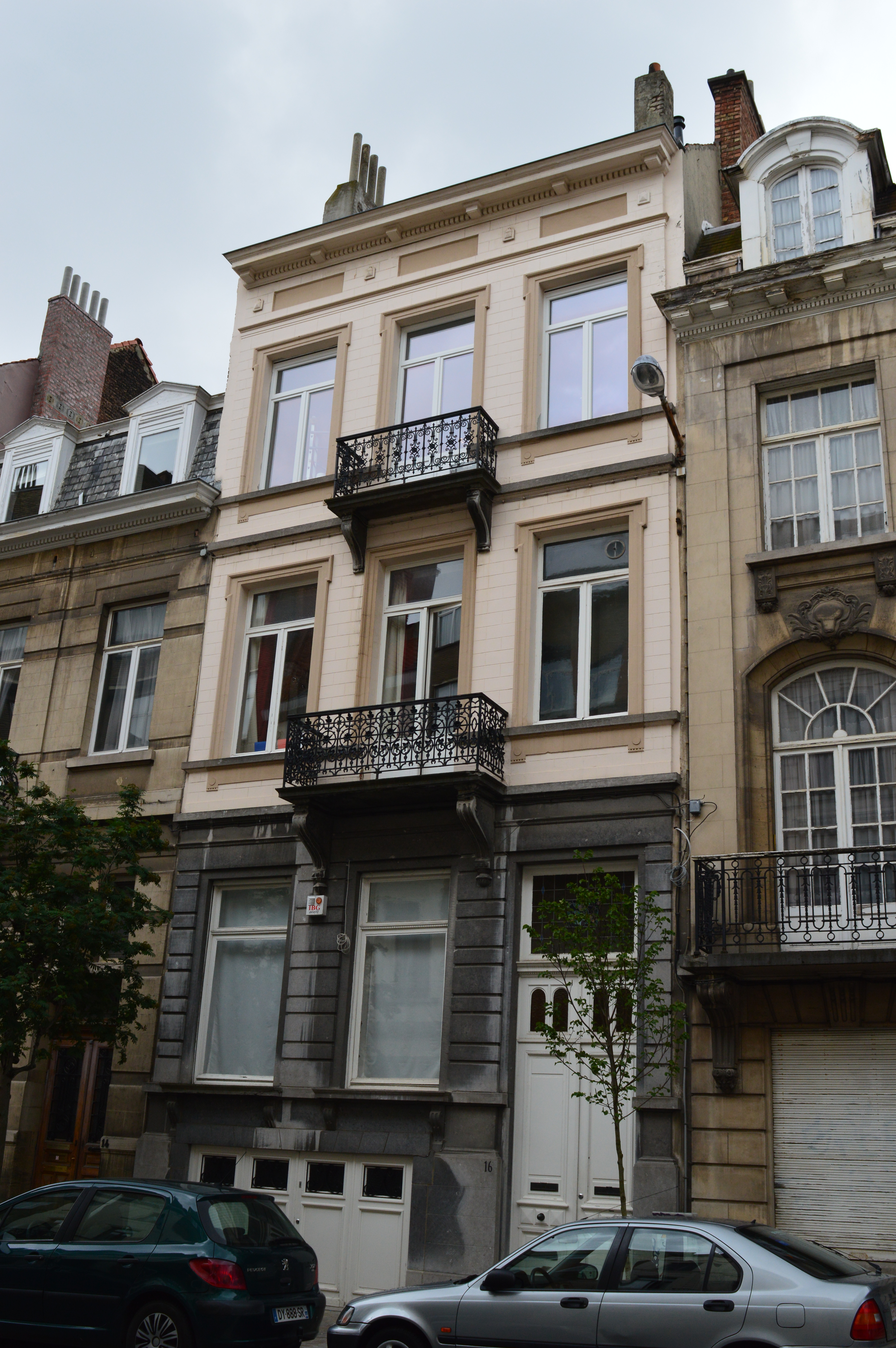
Remi Diependaele’s name was sometimes spelt incorrectly in evasion reports as ‘Dippendael’. Three years earlier Diependaele had helped another airman, William J Clark of the RAF (according to EE-1591 William Ryckman).
Bertha Dubasters’ biographical information also comes from Ryckman. I was unable to find a record for Bertha, so it is possible the airman recorded her name wrong or that she used an alias.
The man who introduced himself as Emile was Emile Halterman-Hurez, of Taverne Royale, Bourse, Brussels (Janes and Connart). Emile’s name is sometimes incorrectly spelt in evasion reports as Emil and Emiel.
Bill Sink was a Staff Sergeant from the B-24 41-28611 ‘Baby Shoes’. Sink had been sheltered for more than 80 days by a Swiss man, Paul Calame, before falling onto Dezitter’s hands. Later investigations into the betrayal of Ryckman and Cozzens by US military intelligence judged that everyone up to including Arsene Prieels and Elvire Willemsen were genuine helpers.
The identification of Rudolf Kohl as the man who greeted Ryckman and Cozzens on their arrest has been made by piecing together information in the airmen’s E&E reports. The Evasion Comète website agreed with this conclusion. Kohl was not the only driver on this stage of the duped airmen’s journeys. They were sometimes transported by Georg Bodiker, another Abwehr agent who spoke English very well, or a former Abwehr man named Hans Jess (according to the Evasion Comète website, accessed on April 29, 2020).
The interrogator ‘Charlie’ appears in E&E reports of Kleinman, Ryckman, Bradley and others. Further identifying ‘Charlie’ or the other interrogators the airmen faced is very difficult. It is worth noting Roy Brown (WO/208/3322/31) stated that the man who interrogated him was one of the three ‘helpers’ from the Brussels house who was now dressed in Luftwaffe uniform, so that could have been Kohl.
CHAPTER SEVENTEEN: NO PLACE OF SAFETY
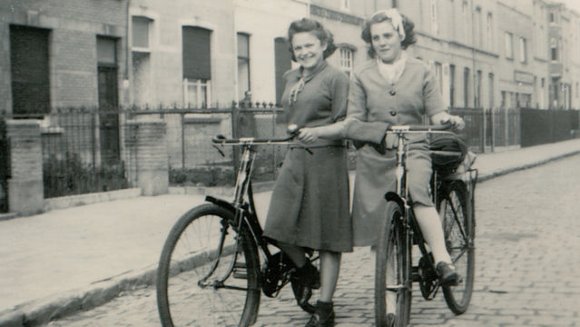
Between August and October 1943, Alice Rutgeerts and Roger Dister smuggled one hundred and fifty forced labourers into Switzerland. Rutgeerts and Dister were deported on the last train to make it to Germany on August 31, 1944. Rutgeerts survived Ravensbrück and Sachsenhausen. Dister died in captivity. Rudolf Van Veen survived capture and was released from Bourg-Léopold on September 5, 1944.
The Bouillon-Wodowosoff-‘Jacqueline Winter’ meeting is described in an ‘Une filière d’évasion d’aviateurs dans nos campagnes’ at http://www.lwha.be/). Bouillion was also known as Colonel Raymond or by the codename OXO.
Both Rexford Dettre and Richard Scott were to end up in Stalag Luft 3 (often incorrectly written as III – I’ll explain in my next book!). Dettre went on to fly almost two hundred missions in Korea and Vietnam before retiring in 1973 with the rank of Major General (http://www.americanairmuseum.com/person/180548). Scott rose to the rank of Brigadier General and held a senior role at the Defense Atomic Support Agency (https://www.af.mil/About-Us/Biographies/Display/Article/105042/brigadier-general-richard-m-scott/).
The airmen Quirk, Campbell, and Pierce were sent to Saint-Gilles with the others but were moved to a prison camp before the events of the ‘Ghost Train’, according to EE-1861 (Donald Swanson).
EE-1862 (Charles Hillis), EE-1856 (Cecil Spence) and EE-1858 (Ken Holcomb) were also helpful in describing this series of betrayals, as were the National Archive files for William Cunningham (WO/208/3324/3), Bill Mason (WO/208/3324/197), and Maurice Muir (WO/208/3325/88). In his evasion report Holcomb thanks George Manhien, of Tessenderlo, and Hubert Vandersypen for helping him.
The Belgium-born Abwehr spy named Robert Boen was tried after the war. He was sentenced to death, but this was later commuted to life imprisonment.
The agent who believed Dezitter was ‘a fiction of German counter-espionage’ was Captain Jacques Doneux. In fact, when Doneux published his memoir, They Arrived by Moonlight, in 1956, he was still unaware of Dezitter’s fate and therefore still unsure if the Belgian traitor had been real.
As Foot noted in SOE in the Low Countries, Charles Claser’s name is often misspelt in the files as Glaser, as it is in the ‘Prosper De Zitter’ report. Claser died in Gross-Rosen concentration camp in December 1944.
The fact that William Ugeux, of the Belgian Sûreté, held Dezitter responsible for Bastin’s arrest is contained in a memo by Captain B. Thompson, dated November 26, 1943 (KV/2/1732). Edmund Marechal and JP Janssens survived concentration camps. Eugène Mayne survived until the liberation of Belsen but died in hospital on May 2, 1945, at the age of 31.
Michou Dumon estimated that Desoubrie was responsible for the arrest of 141 members of the Comet Line (July 24, 1944, report in KV/2/1732). The alias ‘Pierre Boulain’ is recorded as ‘Poulain’ in the Dumon report. It was in that report that she described the scene at the Gare St Lazare, where she identified Dezitter.
Desoubrie was captured in Germany after the war and executed in December 1949.
CHAPTER EIGHTEEN: ‘CAWN’T MISS’
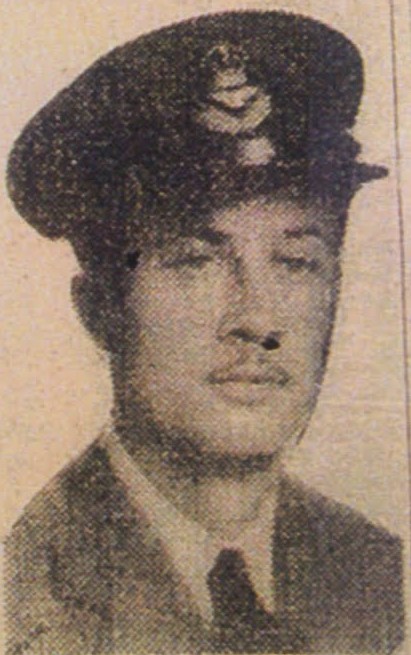
Key evasion files for this section include EE-1287 (Clarence Barsuk); EE-1593; EE-1594 (Ray Smith); EE-1846 (Bill Muse); EE-1847; EE-1848 (James Levey), EE-1849 (Harry Blair), EE-2101; WO/208/3322/31; and WO 208/3323/2418 (Leon Panzer); and 434/2/3 (L.R. Bodey).
I’m especially grateful to Neil Singleton (JH Singleton’s nephew) for his correspondence, information and support.
Singleton’s crew also included Glenn Arndt, the bombardier; Warren Lee in the ball turret (his name is William Lee according to Muse; Reed Brotzman; Soloman Brackman on the waist gun; and Joseph Vistejn, the radio operator. (His name is incorrectly recorded as Vistejan in EE-1848 (Levey) and Vistjn in Barsuk EE-1287.) Arnedt, Vistejn, Lee, Brickman and Brotzman were all killed.
Parts of Leon Panzer’s story were told in the article ‘Toronto Airman Hailed as Brussels Liberator’ in The Globe and Mail of October 13, 1944 (accessed via http://shekel.blogspot.co.uk) and The Windsor Daily Star, Ontario, November 6, 1944.
Another important source was the article ‘The Kennel at 16 Rue Forestière in Ixelles’ at https://www.evasioncomete.be/TxtChenil.html. It was written by Philippe Connart with the help of Keith Janes and Michael Moores LeBlanc.
The crash at Deenethorpe featured in ‘A History of Deenethorpe’ at deenepark.com.
The Belgian village of Templeuve is not to be confused with the much larger town across the border in France.
CHAPTER NINETEEN: DEZITTER’S LAST AIRMEN
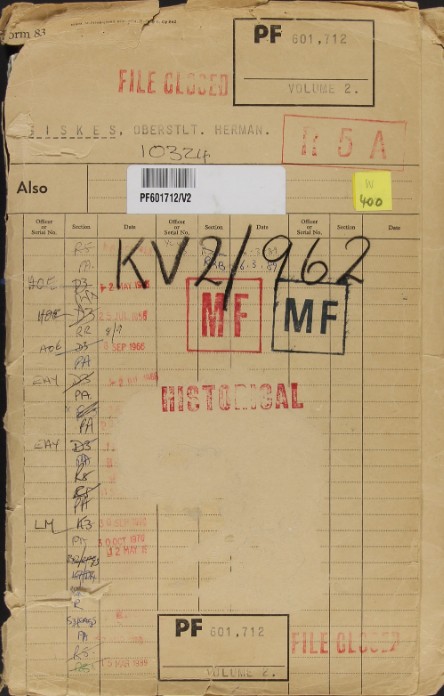
Information regarding the structure of Hermann Giskes intelligence operation was taken from the National Archive file KV-2-962 (Giskes). A little confusingly, Kohl worked for a department of eva 307 with an equally cumbersome designation: Frontaufklärungstrupp (Front Reconnaisance Troop) 362.
The story of Sanders and Wolcott’s final days of freedom and eventual betrayal, and the capture of the other ‘last’ airmen feature information from ‘The Great Escape’ by Al Zdon (Minnesota Legionnaire); EE-1595; EE-1877; EE-1781 (Thomas Smith); EE-1849; EE-1870 (James Wagner); WO/208/3324/197; and, also, The Bedford Triangle.
Note: Wagner also lists a man named Alfred Van Whuys among his helpers.
The list of evaders that Resteau had helped contained the following names: 1st Lt Marshall C Crouch Jnr, Technical Sergeant Louis P Rosati, Staff Sergeant Anthony L Paolantonio, Staff Sergeant Joe C McCrory, and Technical Sergeant James R Dykes, all of B-24 42-7484 Sally Ann; Staff Sergeant Howard G Sakarias and Staff Sergeant Glenn E Brenneke, both of B-17 42-30412 Mischief Maker II (Janes and Connart).
Spence and Holcomb were in the ‘Dog House’ when Mason and Wagner arrived, but were moved on shortly after, and so were not on the ‘Ghost Train’.
The capture of the five airmen of the Armée Secrète at Tournai includes information from Evasion Comète; the official report of the mission 8AF 412 at https://www.floydaddy-wodecq.be/general-clean-9; EE-1593 (Hugh C Bomar); EE-2101 (Theodore H Kleinman).
Bodey’s story featured in a report dated October 20, 1944, which is document 29 in his file at the National Archives of Australia. His Mention-in-Despatches was posted in the London Gazette on September 28, 1951.
Kleinman’s helper Max Varley is not listed among the prisoners on the train. Most likely the name Kleinman knew him as was not his real name.
The story of Kleinman’s dog-tags comes from the article at http://www.americanairmuseum.com/person/209009. Daniel L Miller recorded an instance of another Jewish airman, Louis Loevsky, holding on to his dog-tags for the same reason. According to the National WWII Museum in New Orleans some Jewish airmen left their dog tags on base when taking part in operations (https://www.nationalww2museum.org/war/articles/jewish-american-pows-europe).
CHAPTER TWENTY: A VILLAGE IN TERROR
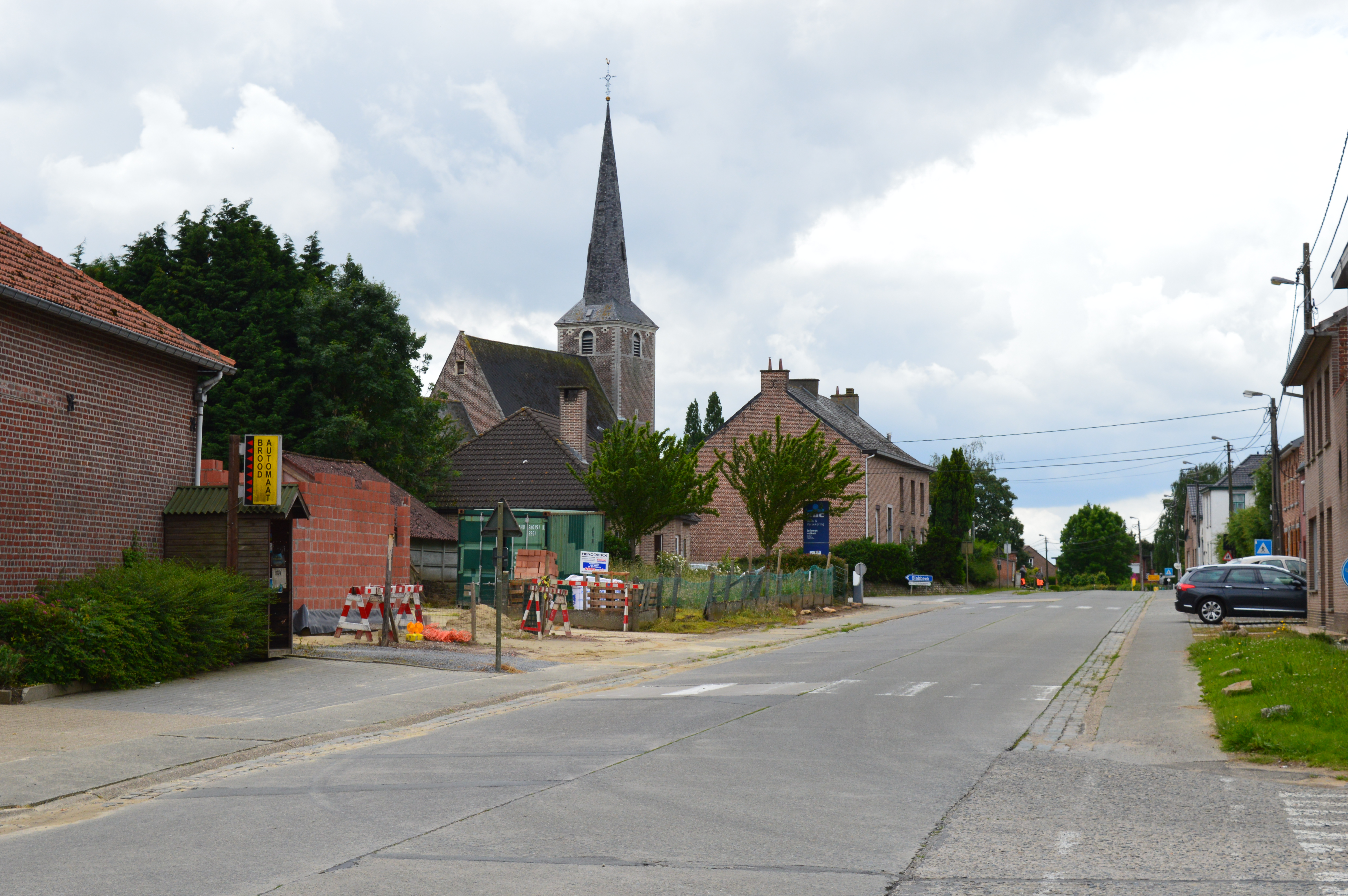
The primary sources for this chapter include my interview with the survivor of the events at Meensel-Kiezegem, Jozef Craeninckx, which was carried out with the help of (and at the home of) Rudi Schellinck in 2013.
I am also deeply indebted to Tom Devos, of Museum44 Meensel-Kiezegem, for his advice on the telling of this story and for reading a draft of the chapter. The website www.meensel-kiezegem44.be was an excellent source of information about these events. My sincere thanks go also to Vital Craeninckx and the families of those who lived through the horrors of 1944.
Blenkinsop is the subject of a very fine biography by Peter Celis entitled One Who Almost Made It Back; and his story also featured in the Vancouver Daily Province, June 2, 1944, and the Times-Colonist, August 11, 1991.
Verbelen was the subject of a report to the US Assistant Attorney General, entitled ‘Robert Jan Verbelen and the United States Government’ (1988).
CHAPTER TWENTY-ONE: THE DARK CELLS
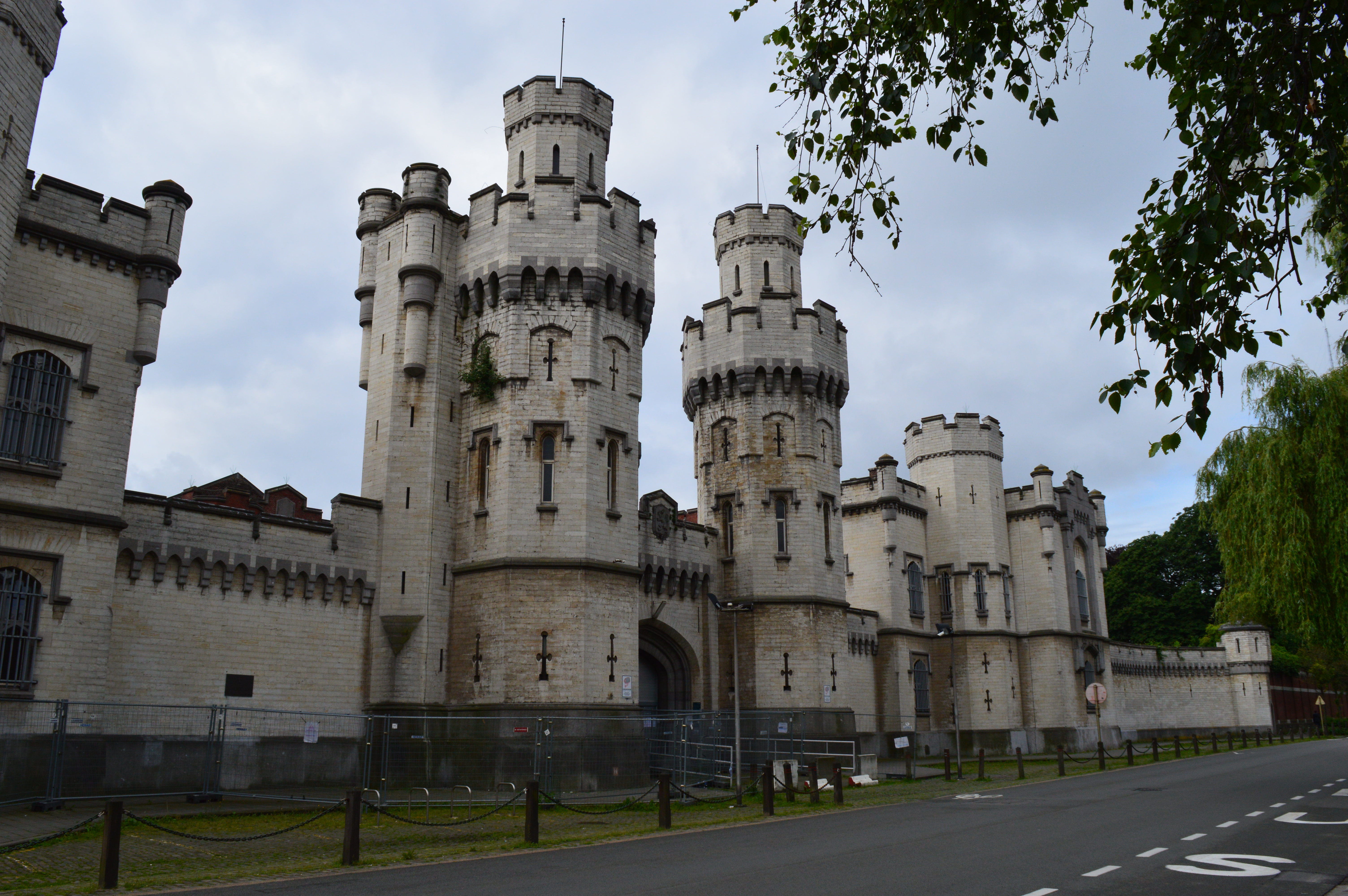
The prisoners’ stories here are based on evidence in their evasion files, including: EE-1846; EE-1789 (Jack Terzian); EE-1591; EE-1915; EE-1918; EE-1841; EE-1848; EE-1891 (Ford Babcock), EE-2101; WO/208/3322/31; WO/208/3325/88; and WO/208/3322/22 (Stephen Brian Harris). My thanks go to Nathan Ware and John Wells (James Dykes’ nephew).
Further information about Jack Terzian came from the Abilene Reporter of December 15, 1979; and he is also interviewed in the documentary, ‘Last Best Hope’. There is further information about John Brown in a note written by Sherman Gillespie, a friend of Brown’s, in 1994, which is at: https://100thbg.com/personnel/?personnel_id=2842.
Information on the Biernaux family comes from my research for the book Airman Missing and from my friend Guy Jaspers in Belgium. Guy stated that both Florent Biernaux and René Jaspers were badly beaten during their arrest.
Information about Robert Piarote came from his evasion file (EE-1952) and the Lebanon Daily News, November 23, 1945. Piarote was something of a celebrity back home in Lebanon, having been a star of the basketball court, the athletics track and the football field.
Further sources included: In Defiance, ‘Diary of John Bradley’, The Evaders and the chapter on Brian Harris from Spitfire Voices by Dilip Sarkar.
René Van Muylem was captured in Paris shortly after the war and admitted helping the Germans capture at least 170 airmen. He was tried, found guilty of betraying his country and executed in May 1948 (‘Dutch and Belgian Heroism’ by Bruce Bolinger, wwII-netherlands-escape-lines.com).
Regarding some of the helpers who were arrested in the weeks before the ‘Ghost Train’: Marcel Leborgne was arrested on August 1, as was Marcel Van Buekenhout, who was caught as he prepared to drive 50 miles to fetch three airmen from their hiding place and bring them to Brussels. On hearing of his arrest his friend Victor Schutters rushed to the safe house in Westmalle and rescued the airmen before the Germans could swoop. Source: Email from Victor Schutters, grandson of Victor Schutters, to Michael Faley, 100th BG Historian, March 28, 2006 https://100thbg.com/victor-schutters/.
Records for the ‘Ghost Train’ suggest there were a number of others who were caught in the Comet Line wave of arrests, including Maurice Declercq, Jacques Delhaye, Jeanne Lossignol, Jean-Baptiste Van den Eede, Zélia Van den Eede-Villee, and Amélia Guyaux-Lood. Thanks to Victor Schutters.
Wolcott’s poem: This information came from The Air Forces Escape & Evasion Society magazine, September 2001. It’s a version of the poem ‘Hame, Hame, Hame’ by Scottish poet Allan Cunningham (1784-1842).
Several airmen were removed from the prison during August 1944 and sent to prison camps, and therefore missed the upcoming events on the ‘Ghost Train’. Some had come through the ‘Dog House’, including 1st Lieutenant Jim Monahan, a Liberator pilot from Connecticut; Captain Richard Scott, a West Point graduate and P 38 pilot; 1st Lieutenant Rexford Dettre; and 1st Lieutenant Charles Quirk, a Liberator pilot (according to EE-1847 and EE-1591).
CHAPTER TWENTY-TWO: AGENTS BEHIND BARS
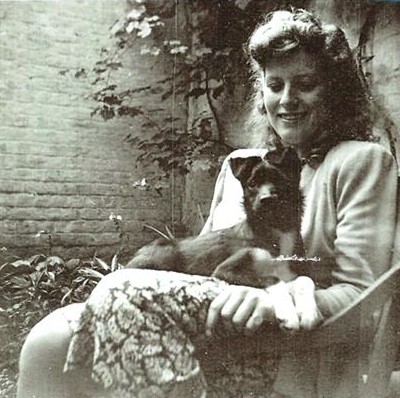
Key sources for François Reeve’s story included his SOE personnel file, HS 9/1241/4. The sources for Robert Beckers included the HS 6/101 (Hillcat) and HS 6/105 (Horatio) mission files at the National Archives; and Beckers’ own memoirs at: https://wwii-netherlands-escape-lines.com/wp-content/uploads/2011/04/memoirs-of-robert-beckers-souvenirs-rc3a9sistant-including-ghost-train-with-photo.pdf.
Also, They Arrived By Moonlight by Captain Jacques Doneux. The resistance group working with Doneux was among those who carried Prosper Dezitter’s photograph, hoping they might capture and kill him. He was responsible for betraying ‘about 100 of their comrades’.
Flour’s name is sometimes listed as François. His SOE file lists it as Frans Jacques Flour. He was arrested at 29 Rue des Cottages, Uccle, the home of Madame and Mademoiselle Cardinael (HS 6/105).
The destruction of Françoise Labouverie’s ‘final’ letters home might have made Françoise shiver but as Emmanuel Debruyne notes at Freebelgians.be this ‘perfectionism’ in the Brussels GFP’s approach – keeping the prisoners for further questioning as they sought to round up the whole network – would cause a delay in deportation and save many lives.
Regarding Renée Marie Germaine de Jonghe: I was fortunate to correspond with Renée’s daughter, Claudette Claereboudt, who was an excellent source on her mother’s wartime experiences. She also remembered her mother visiting the family of airman Byron Buck, who her mother had helped, in New Jersey in the early 1960s.
Renée’s story also featured in the article ‘The One That Followed’ in The Globe and Mail, November 9, 1968.
CHAPTER TWENTY-THREE: NACHT UND NEBEL
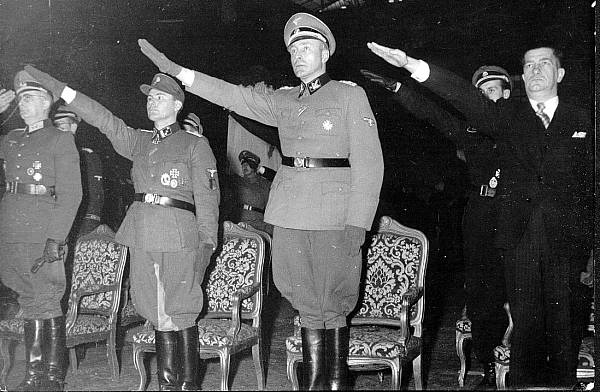
The casualty number for the De Sélys attack on the Gestapo headquarters is a conservate estimate. Some have put the numbers of deaths as high as 30, but these possibly grew from ‘optimistic’ resistance reports. Hélène Moszkiewiez recorded the wounds to Muller in her book My War In The Gestapo. Edouard Renière described the damage to the building in ‘A Young Boy and the Good War’. De Sélys was killed at Manston in August 1943 when attempting to land his Typhoon which had been badly damaged by flak over Ostend. There is a memorial to him and his attack in the Avenue Louise.
Information regarding deportations and plans for Belgian political prisoners can be found in Claude Lokker’s 1985 book Des bâtons dans les roues : Les cheminots belges durant la deuxième guerre mondiale and also the summary of Lokker (translated by Kristine Eriksen) at https://wwii-netherlands-escape-lines.com/prisoners-of-the-phantom-train-le-train-fantome-of-1-3-sept-1944/phantom-train-report-by-c-lokker/.
Note: 28 trains left Belgium for the concentration camps during the occupation. There were 25,257 Jews on board, plus 351 gypsies. Only 1,200 of these survived. 244 of the Belgian resisters who died were Jewish, according to Veranneman. This puts into context the incredible work done by those on the ghost train to save so many lives.
Regarding the airmen killed at Mauthausen, see the Mauthausen Concentration Camp Complex booklet at: https://www.archives.gov/files/publications/ref-info-papers/rip115.pdf and the transcript of the 43rd day (25 January 1946) of the Nuremberg Trials at: https://avalon.law.yale.edu/imt/01-25-46.asp.
The two men who died at Buchenwald were P-47 pilot Lt. Levitt C. Beck Jr., of Houston, Texas, and Royal Air Force bomb aimer Flying Officer Philip Hemmens.
Further information about the train in this chapter comes from the escape and evasion reports of the airmen; my interview with Jozef Craeninckx (June 2013); Een Klein Dorp, Een Zware Tol, by Stefaan Van Laere and Frans & Jozef Craeninckx; ‘Diary of John Bradley’; and In Defiance.
CHAPTER TWENTY-FOUR: THE TRAIN
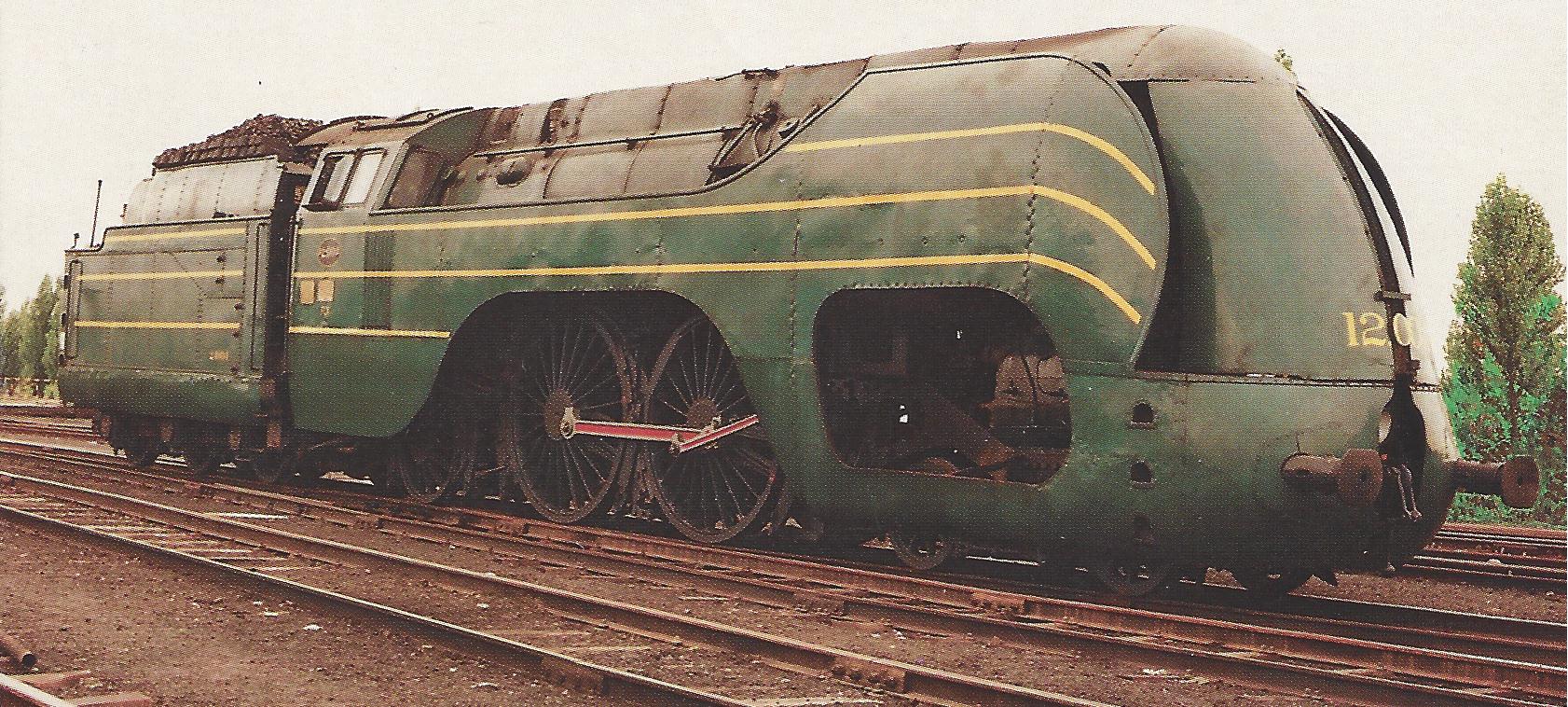
I am indebted to the staff at CegeSoma, the archive in Brussels, for providing access to files which were essential in the telling of the story of the ‘Ghost Train’.
As stated in the ‘Author’s Note’ the unsung work of Oscar Catherine (OC) was especially helpful here. The Max Sequin letter can be found in the OC section of ‘Train fantôme’ file as Annexe I. Prince Albert is named in a note made by another diplomat, Baron Jacques del Marmol, in the OC documents, Annexe II. Eickhoff’s description of Mayr-Falkenberg as a decent and humane man comes from the historian Henri Bernard quoted in ‘Le train fantôme’, an unpublished account by OC.
A further key CegeSoma document was ‘Ceci est la relation exacte et précise de l’odyssée du train fantôme’, a handwritten account of events by Louis Verheggen (from here on ‘Verheggen’).
Other sources: my interview with Jozef Craeninckx (June 2013) and correspondence with Walter Verstraeten and Guy Jaspers; Lokker; the account of Jean-Marie Moorgat from 1945 (translated by Eliane Clerren-Hamm) at: https://wwii-netherlands-escape-lines.com/prisoners-of-the-phantom-train-le-train-fantome-of-1-3-sept-1944/report-concerning-the-convoy-of-sep-3-1944-at-the-petite-ile-station; and ‘The Phantom Train’, by Anne Brusselmans, published by The Air Forces Escape and Evasion Society (Winter 1992). Also, the article ‘Le train fantôme’ in Notre Metier (May 13, 1947).
The estimation that there were 1,370 political prisoners on the train is made in ‘Le train fantôme’ from Le rail magazine (September 1974). The article was based on the writing of two prisoners on the train, Edmond Delrue and J Dosogne, and on Red Cross records. It is sometimes unclear whether the figure includes the Allied airmen.
Dossin Barracks: Around 25,000 Jews and more than three hundred Roma were transported from Dossin between August 1942 and July 1944. Most went to Auschwitz. Two-thirds of the deported people was gassed immediately upon arrival. At the liberation of the camps, only 1,395 were still alive. 527 remained at the Dossin Barracks when the Allies arrived on September 4, 1944 (https://kazernedossin.eu/).
Regarding the prisoner in Jozef Craeninckx’s cell, who was executed: when interviewed in 2013 Jozef could not remember the man’s name – or perhaps he had not known it. Jozef stated: ‘The man was 32, a French-speaker from the city of Jodoigne. He had been sentenced to death. He told me: “They are going to shoot me.” I said they won’t because the Allies are at the front door waiting to arrive here. But a German jailer came to take him out of the cell and said: “Well, come along, take all your personal matters with you…” That was at about half past nine and at twelve o’clock the jailer came back and said to me: “Your friend was executed at ten o’clock.”’ I’ve been unable to identify the executed prisoner.
Reference to the train containing a detachment of German soldiers and officials trying to escape to Germany comes from a letter to the Centre d‘Etude et de Recherche de la seconde guerre Mondiale (later CegeSoma) from Oscar Catherine, dated February 2, 1981.
CHAPTER TWENTY-FIVE: THE STATION
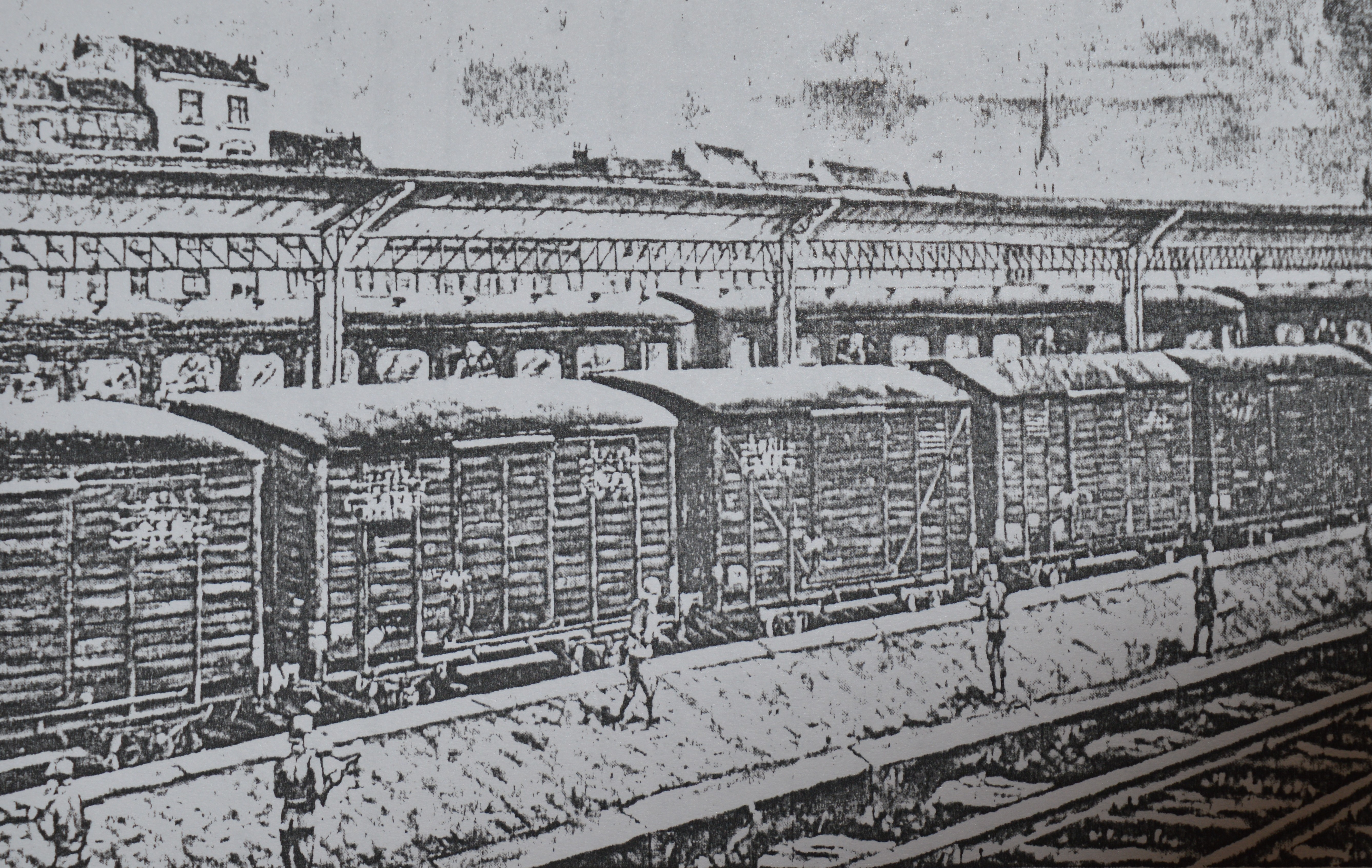
Key sources included: Oscar Catherine’s files; Lokker; Verheggen; Brusselmans; my interview with Jules Buedts (June 2013); my correspondence with Claudette Claereboudt; EE-1856; EE-1858; WO/3324/2 (Joseph Murphy); In Defiance;‘Diary of John Bradley’; The Evaders; RAF Evaders by Oliver Clutton-Brock; and ww11-netherlands-escape-lines.com
Oscar Catherine’s research suggested that most of the railwaymen at the station belonged to a sub-network of the MNB called Tabeo which had been created by an engineer called JM Drappier.
This train must not reach its destination. Catherine noted that many of the messages were sent out by a résistant named Verleyen who was killed, probably later that day.
The name of the driver, Roelants, is sometimes recorded as Roelands, for instance in RAF Evaders, and also as Roelans in ‘Le trainfantôme’ (OC). Likewise, Van der Veken is sometimes Vanderveken; Deshorme has been quoted as Delorme; and Pochet has been Pouchet. Gevaert is sometimes misspelled as Gevaerts.
The work of Leon Petit, Parmentier, de Coster, Verheggen and Pochet was singled out for praise in Le rail magazine (1974).
The observation that Renée de Jonghe saw a dead body on the train is based on her memory passed to her daughter. It has been impossible to confirm who this might have been. Viscount Berryer stated a few days after the liberation that there were no deaths (Le Soir, September 8, 1944).
Figures vary for the number of airmen in the baggage car. In ‘Last Best Hope’ Verstraeten says 43 airmen, although he may be including Reeve; MacGillvray, Ray Smith and Stuart Leslie counted ‘41 airmen’; and Piarote ‘42’. My list is 41 plus Reeve. (The brilliant WWII Netherlands Escape Line website lists 53 but several of those airmen do not mention ever getting caught in their debriefings.)
It is likely that, in addition to Reeve and Masereel, there was a third SOE-trained agent on the train. Masereel stated he ‘discovered afterwards’ that another Belgium-born agent, Leon Harniesfeger, was onboard but that he had not seen him (HS 6/28 Andromache/Masereel). Harniesfeger was a thirty-five-year-old former steelworker and Socialist Party worker who had escaped Belgium in 1941. Between November 1942 and February 1943, he arranged sabotage attacks around Charleroi and started a weekly clandestine newspaper. Having returned to Britain, he worked in a staff job for the Belgian Sûreté, but yearned to return to operations. He made his second parachute drop into Belgium in June 1944 but was arrested a month later. His SOE file makes no mention of the train, only that he was ‘released on the liberation of Belgium’ (HS 9/665/8 Harniesfeger)
The incident with the freight train from Halle: some later accounts state that this incident with the freight train occurred after Verheggen’s locomotive had been attached to the ‘Ghost Train’ but in his conversations with Oscar Catherine and in his own handwritten account Verheggen says it happened before he attached to the train.
CHAPTER TWENTY-SIX: A JOURNEY TO NOWHERE
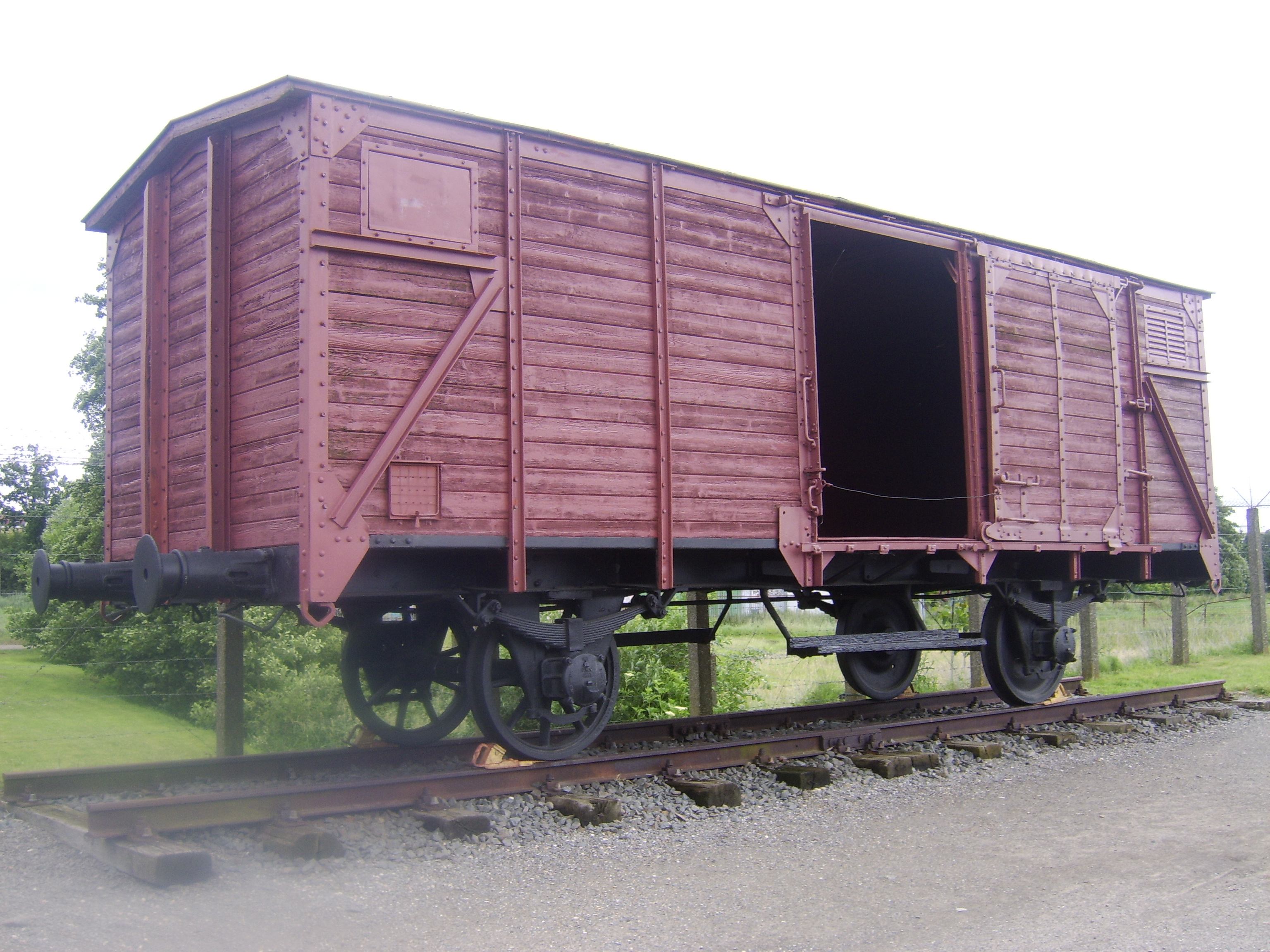
The OC files at CegeSoma are again key here, especially his ‘Le train fantôme’, his report of his interview with Louis Verheggen, and his letter to Centre d‘Etude et de Recherche de la Seconde Guerre Mondiale. Also, Le rail (1974); Verheggen; Brusselmans; Moortgat; and the evasion reports listed previously.
The Schmid-Köchlin letter to Jungclaus is from OC’s files, Annexe VII. The diplomats’ letter to Mayr-Falkenberg is from OC, Annexe VIII.
CHAPTER TWENTY-SEVEN: A BATTLE OF WILLS
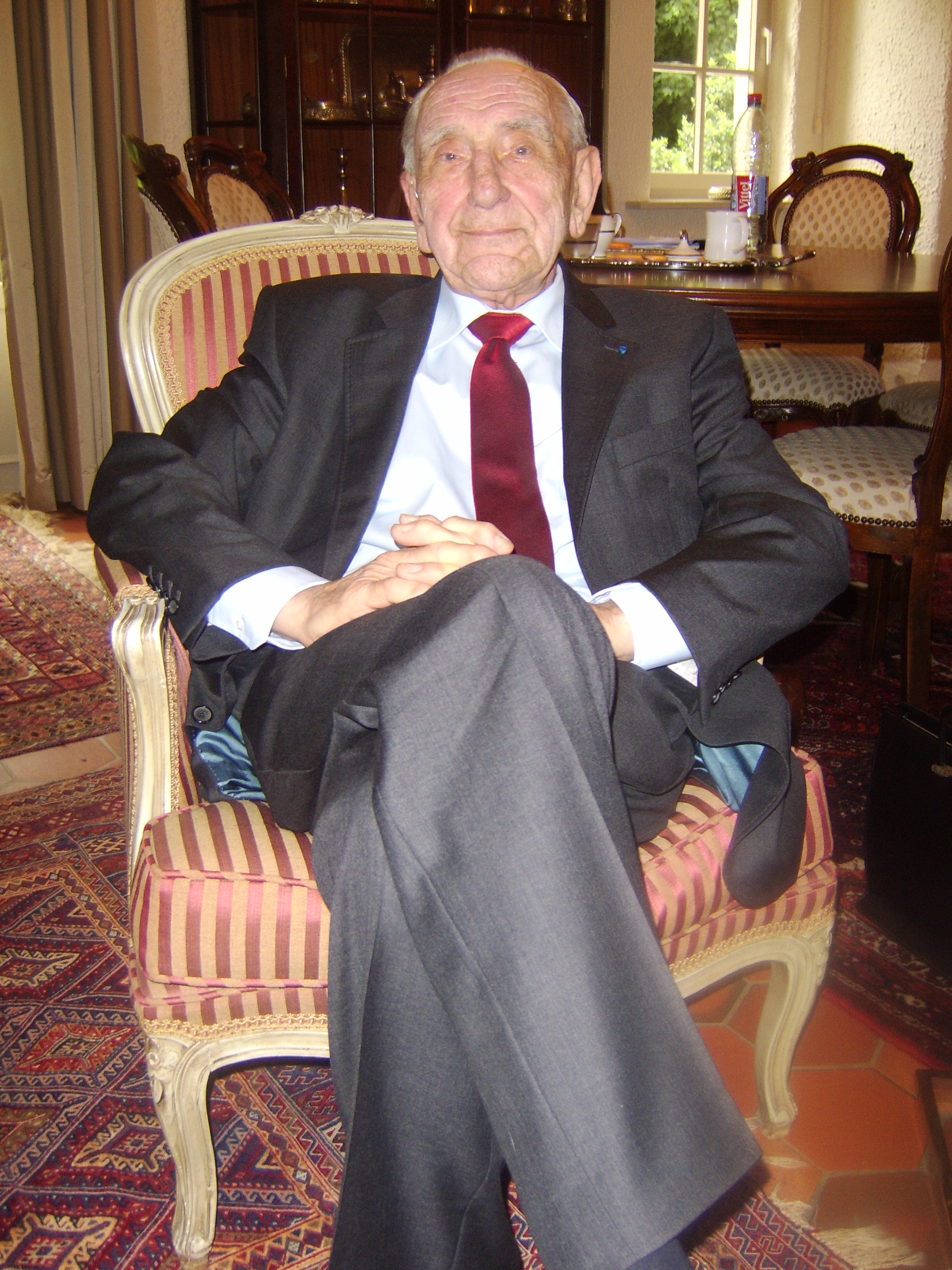
Key sources on Wachsmuth’s actions include his interview with Le Patriote Illustré (August 8, 1965), and his letter to Belgian Red Cross, from the OC documents, Annexe XII (both from the ‘Train fantôme’ file at CegeSoma). Plus, the biographical detail in a doctoral thesis by Karl Philipp Behrendt, entitled ‘Die Kriegschirurgie von 1939-1945 aus der Sicht der beratenden Chirurgen des deutschen Heeres im Zweiten Weltkrieg‘ (freidok.uni-freiburg.de).
Further sources include a copy of article from Le Soir (September 8, 1944) from the OC documents, Annexe IX; an interview with Louis Verheggen from Le rail magazine which was published in October 1974; OC’s report of his interview with Verheggen; ‘Ceci est la relation exacte et précise de l’odyssée du train fantôme’; Lokker; my interview with Jules Buedts; and various E&E reports listed previously.
Regarding Jungclaus’ SS chief of staff: in Le Patriote Illustré interview Wachsmuth calls him Abmann but in Wachsmuth’s letters from the time the man’s name is Assmann.
CHAPTER TWENTY-EIGHT: THE LAST PRISONERS
E&E files, especially: EE-1590; EE-1591; EE-1592 James Dykes; EE-1593; EE-1789; EE-1841; EE-1847; EE-1891; EE-1952; EE-2082 (Henry Young); EE-2101; WO 208/3322/31; 208/3324/20 Kevin McSweeney; WO 208/3325/88; HS 9/1241/4.
Also emails I’ve received from Nathan Ware and Kat Taylor. Plus Moorgat.
Some sources say Reeve got the key to the baggage car by pickpocketing an official or guard.
Just who escaped the train at Schaerbeek remains a tangled web: Cosgrove wrote that Stuart Leslie saw only three men jump from the train; Muir also said it was three, as did Bradley in his diary – none named the men. Ryckman’s E&E report listed five, including an agent (ie, Reeve), Levey and Lynch; Levey added that Muse was with them. Terzian listed Lynch, Muse and Levey as the escapers; Lynch confirmed that he jumped with Levey. Harris told Dilip Sarkar that he jumped (Harris may not have been identified by the others as it is possible they did not know his name). Ryckman stated the agent (Reeve) escaped at this time, while Reeve stated that he escaped with McSweeney.
Some of the descriptions of the liberation of Brussels come from ‘This was the end of our serfdom in Brussels’ by Louis Quievreux, from The War Illustrated, number 190, September 29, 1944.
Leon Panzer’s story featured in the Windsor Daily Star (November 6, 1944) and the article ‘Toronto Airman Hailed as Brussels Liberator’, unknown newspaper. Jack Terzian featured in the Abilene Reporter News (May 27, 2001).
The Witte Brigade had blown up a section of track. Renée de Jongh told her daughter that some of the demolition charges used on the railway line had actually been set by a local boy scout troop (email to me).
Kevin McSweeney: McSweeney’s evasion contained a remarkable chapter. In Wijhe, he had hidden in the mechanism room of a clock tower for three days while German soldiers who were searching for Allied aircrew were based in the room below. Each time the Germans’ shift ended, and the room emptied, McSweeney – with great bravado – would slip downstairs and rest in one of their bunks. He was kept company in his shelter by résistant Jan Janssen, son of the local police chief. The story was told in The Age (November 29, 1946) and http://www.ww2escapelines.co.uk/?page_id=1285.
Robert Piarote returned home to Lebanon, Pennsylvania, and worked on the Daily News as a printer until his retirement. He died in 1989 (Daily News, September 21, 1980).
The three entered a factory yard, beyond which was a main road and a larger canal. They were now joined by Wolcott. Bowman says Wolcott was with Sanders in the events that followed and Bradley’s diary is clear that Sanders was with him and Ryckman.
CHAPTER TWENTY-NINE: AFTER THE TRAIN
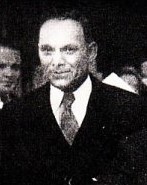
The scope of this book focusses on the prisoners who ended up on the ‘Ghost Train’, but many more went through the ‘Dog House’. Kohl claimed later that one hundred airmen, ten resistance fighters and fifteen Russians had passed through the ‘Dog House’ by the time it closed. At his trial, Dezitter estimated not more than fifty airmen, two Russians and two Belgians.
Desoubrie’s fate was covered in ‘Jacques Desoubrie, un agent d’infiltration de la Gestapo à Compiègne’, conference speech by Patrice de Larrard, May 3, 2014, at http://www.histoire-compiegne.com.
The search for Dezitter in November 1944 is outlined in various SOE reports, largely by Major Delaforce KV/2/1732. Further information about the hunt comes from La guerre secrete des espions belges.
Information about the immediate fate of those on the train or held in other prisons in Belgium comes from Le Soir (September 8, 1944) and Le Soir (September 13, 1944) in the ‘Train fantôme’ file at CegeSoma. The letter praising Mayr-Falkenberg for his ‘very high humanitarian spirit’ in helping to get the 5,000 prisoners released is from diplomats from Spain, Finland, Portugal, Sweden, Switzerland, and the Red Cross (dated September 11, 1944) and is in the OC files, Annexe X.
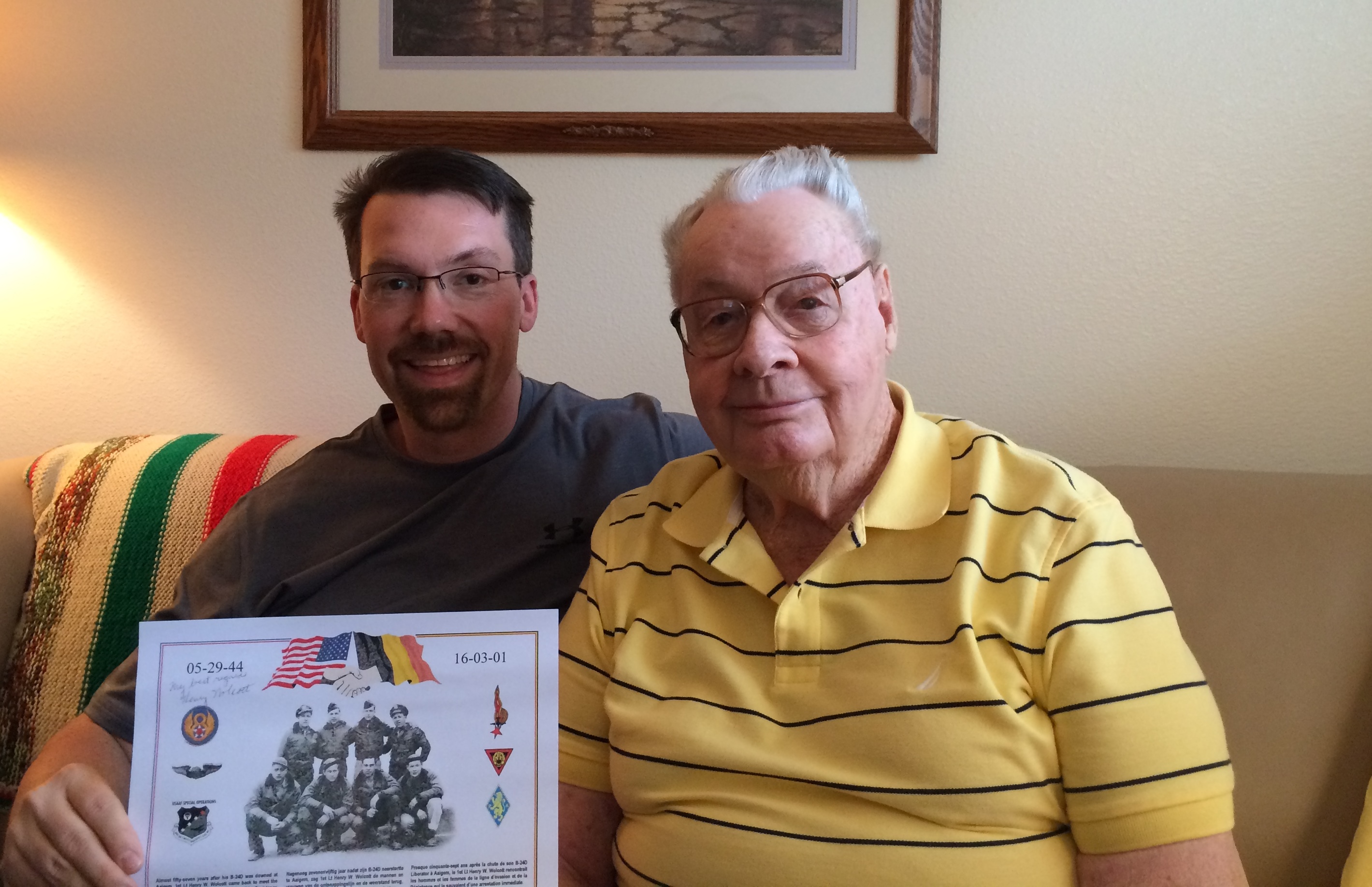
The story of Henry Wolcott’s return to Belgium featured in the Oakland Tribune Sun, June 10, 2001. After his wartime funeral, Richard G Hawkins’ body was later moved to the Ardennes American Cemetery at Neuville-en-Condroz.
Robert Auda’s death was reported in The Galion Inquirer, June 6, 1945; Sidney Daily News, June 30, 1945; and The Evening Courier, June 28, 1945.
Another evader from the train also died young. James Dykes had returned home to find that his mother had died while he was in Europe. He went on to find work in a clothing store and then factory in Georgia. After falling ill, he died in hospital in Atlanta in 1949, aged 28 (emails I’ve received from John Wells).
The post-war lives of Cozzens, Ryckman and Blair were found in the San Angelo Standard-Times, May 4, 1990; genealogy.com (https://www.genealogy.com/ftm/r/y/c/Willard-A-Ryckman-FL/GENE17-0060.html); and https://www.legacy.com/us/obituaries/legacyremembers/harry-blair-obituary?id=23906377.
Françoise Labouverie (Rigby) was the subject of an episode of the BBC’s ‘This Is Your Life’ in 1959. Her friend and former network leader, Pierre Hauman, was a special guest. For information on her home at Céroux-Mousty, I’d like to thank local historian Jean Bidoul.
Flour’s OSS adventures were mentioned in Piercing the Reich by Joseph Persico, while the 1958 gathering of ‘secret agents and cloak-and-dagger men’ was reported in the Manchester Evening News, July 1, 1958.
For the fate of the Biernaux and Jaspers family I’m indebted to evader John Evans for sharing the letter Florent sent to him soon after the end of the war and especially to Guy Jaspers.
It seems most likely that Teddy Blinkensop died in Neuengamme with others arrested at Meensel-Kiezegem. Concentration camp records held in the Arolsen Archives state that he died there, as does the headstone erected in his honour at the church at Meensel-Kiezegem. However, his family had been told he may have been transferred to Belsen and died there. His mother’s death notice, published in the Times-Colonist, on June 14, 1986, refers his death at Belsen.
‘Consider us as soldiers of the resistance…’ comes from a letter from Michel Petit, Maurice Duverger, Daniel Gevaert, and Louis Verheggen to Ernest Demuyter. It was dated September 30, 1944, after the railway had been honoured at the city hall. It is in the OC files at CegeSoma.
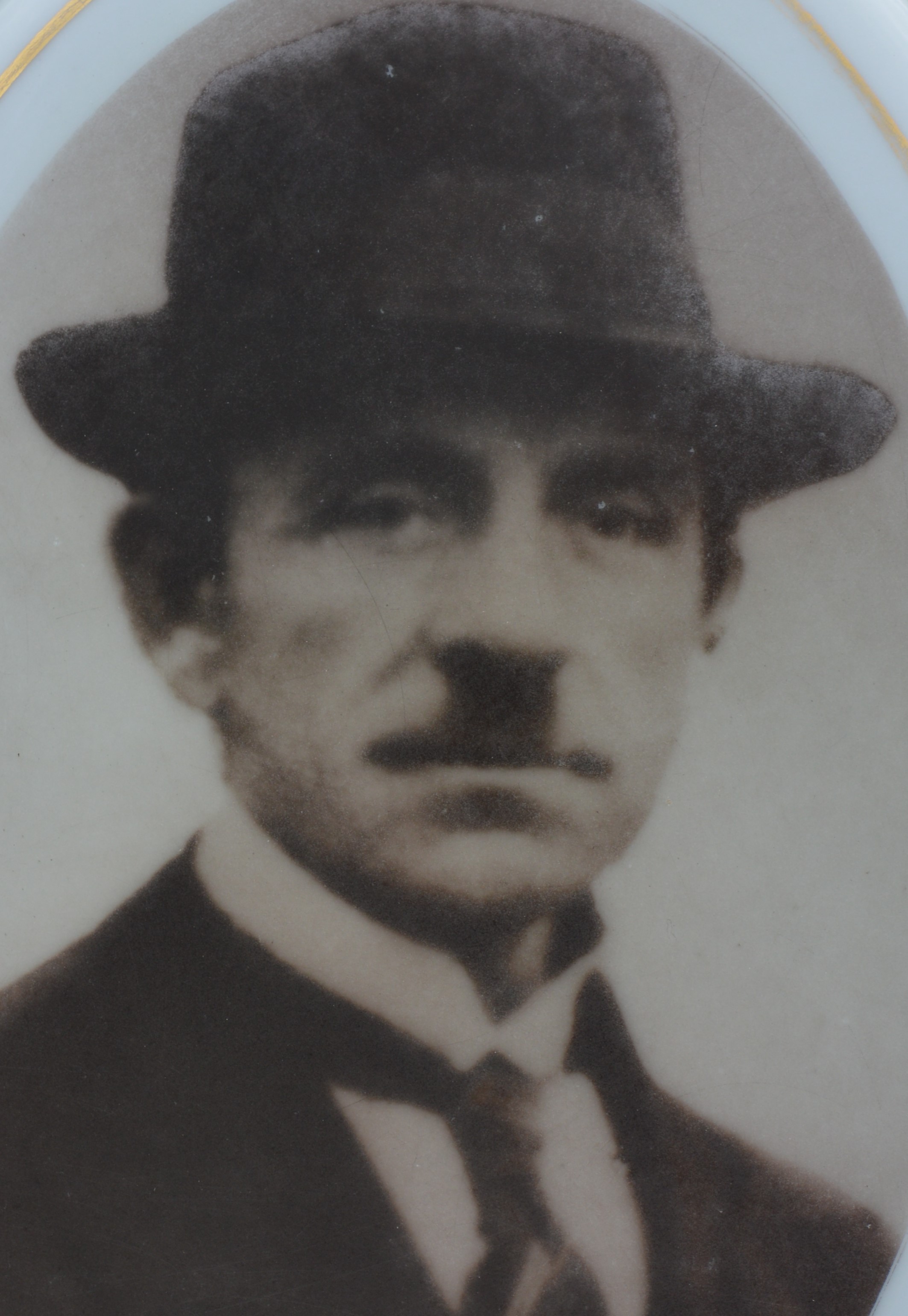
This is Vital Creninckx, who was murdered at Neuengamme, the Ghost Train’s intended destination
 Greg Lewis