Just over a week after the end of the war in Europe a car driven by a German soldier who had worked at Flossenbürg concentration camp was involved in a car accident.
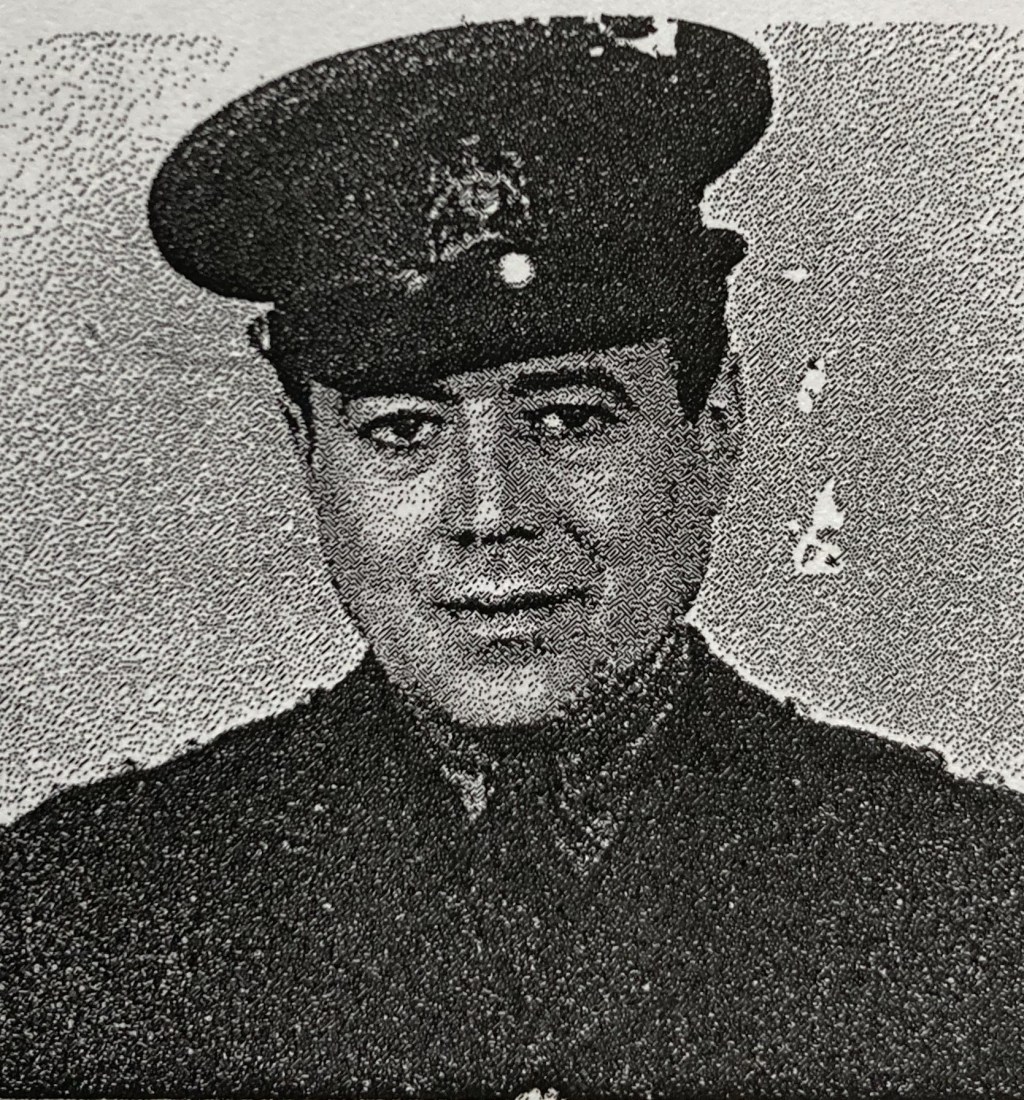
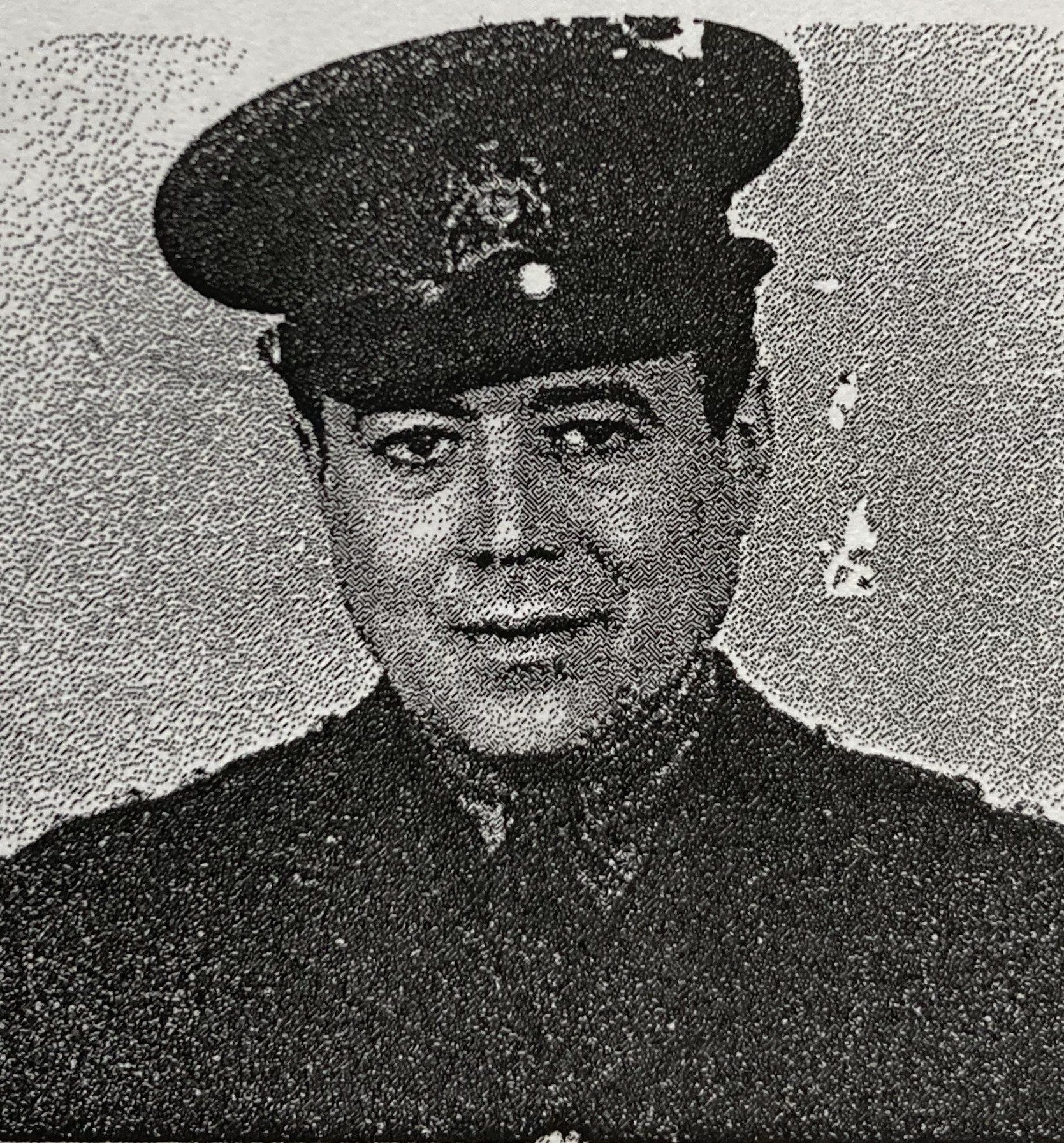
In the other vehicle was a Welsh-born officer named Major Jacques de Guélis. A highly-decorated war hero, de Guélis had served behind the lines in Nazi Europe a nerve-shredding three times.
He had organised contacts for Virginia Hall, a one-legged American spy who would defy the odds to become the Gestapo’s most wanted agent in the whole of France.
And his bravery had earned him a chestful of medals – including three Croix de Guerre from the French government.
The car accident, though, left him fighting for his life.
Early years
Born Jacques Theodore Paul Marie Vaillant de Guélis on 6 April, 1907, in Cardiff to a French-born coal exporter, Raoul, and his British wife, Marie, de Guélis had studied PPE at Oxford University before embarking on a career in advertising in 1931.
When World War Two began, he was sent to France with the British Expeditionary Force (BEF), as a liaison officer with the French army.
Evacuated from Dunkirk at the beginning of June 1940, he was asked to return to France a few days later to help units which were still fighting or trying to escape.
On 22 June, the French signed an Armistice with Hitler and de Guélis fled south to live in hiding in Marseilles. Determined to get back to Britain, he climbed across the Pyrenees and into neutral Spain.
Joins SOE
On 15 April, 1941, he was interviewed in London for a role in SOE by Lewis Gielgud, the brother of actor John Gielgud, who was impressed by de Guélis’s faultless French and his knowledge of life in occupied France.
The Special Operations Executive (SOE) was a British secret service formed in 1940 to encourage underground resistance and sabotage in Nazi-occupied Europe and later southeast Asia.
Its agents were trained in the arts of silent killing and laying explosives to destroy trains and communications lines.
SOE’s F Section was working to send wireless operators and saboteurs into France and its head, Maurice Buckmaster, tasked de Guélis with briefing them before their missions.
As de Guélis was a central figure in SOE there was reluctance, for security reasons, to use him as an agent. However, he was to be a special case.
A secret SOE memorandum noted that “[it was] felt that de Guélis’s special qualifications and the unusual circumstances of the present case made it a suitable instance for exception”.
The Limping Lady
The unusual circumstances were that SOE needed an exceptional man for a complex mission.
Its aims were threefold. Firstly, de Guélis had to search the area around the Rhône in south-eastern France to find suitable landing fields for RAF aircraft delivering agents and supplies to the French Resistance.
Secondly, he had to recruit potential agents and couriers. This was especially difficult, as approaching people would leave him open to betrayal.
Finally, he was to prepare the way for an American-born agent, Virginia Hall.
Jacques de Guélis parachuted into France on 6 August, 1941, and immediately began work to recruit agents, couriers and contacts.
Miss Hall then arrived in France on 23 August. SOE could not drop her by parachute as she had lost the lower part of her left leg in a pre-war shooting accident, so she sailed from Spain to the south coast of France on a fishing boat.
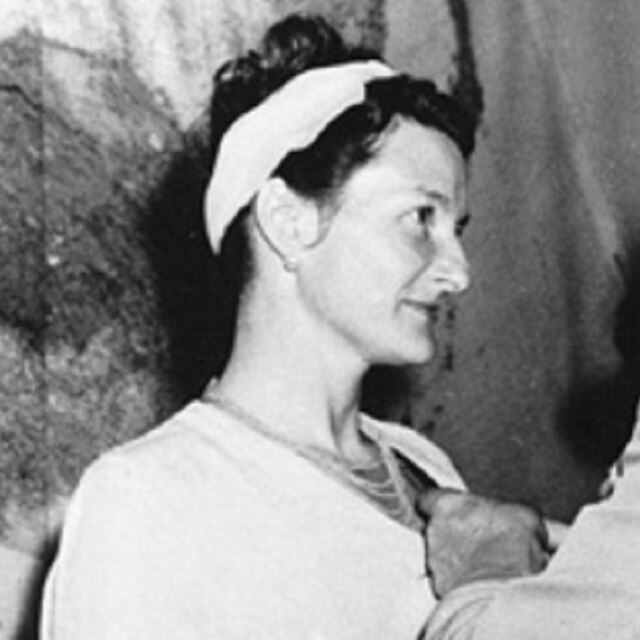
Despite the fact she wore an aluminium false leg – which she nicknamed “Cuthbert” – Miss Hall was to become a dynamic agent. The German secret police, the Gestapo, made the capture of what it called the “Limping Lady” a priority but it never caught up with her.
On 4 September, 1941, with his first mission complete, de Guélis was due to leave France for England, having arranged a pick-up on a remote field by a small Lysander aircraft. But he was delayed by a check of identity papers by the local gendarmerie and was running very late.
SOE historian MRD Foot wrote: “He could already hear the aircraft when he got near the ground. Jumping off his bicycle and through the nearest gate, he laid the [reception] lights out quickly – on the wrong field. [The pilot] put his aircraft down without trouble, but fouled an electric cable on taking off, and returned to Tangmere with several feet of copper wire round his undercarriage.”
The success of Jacques de Guélis’s first mission was brought to the attention of Britain’s Minister of Economic Warfare, Hugh Dalton, who oversaw the SOE.
Mr Dalton saw to it that he was awarded an MBE (military division), recording in a note to the War Office that de Guélis’s work in France “has been of great value to my organisation”.
On 17 September, 1943, de Guélis landed in Corsica where an uprising was under way. He organised resistance groups and, in early October, the Germans withdrew from the island.
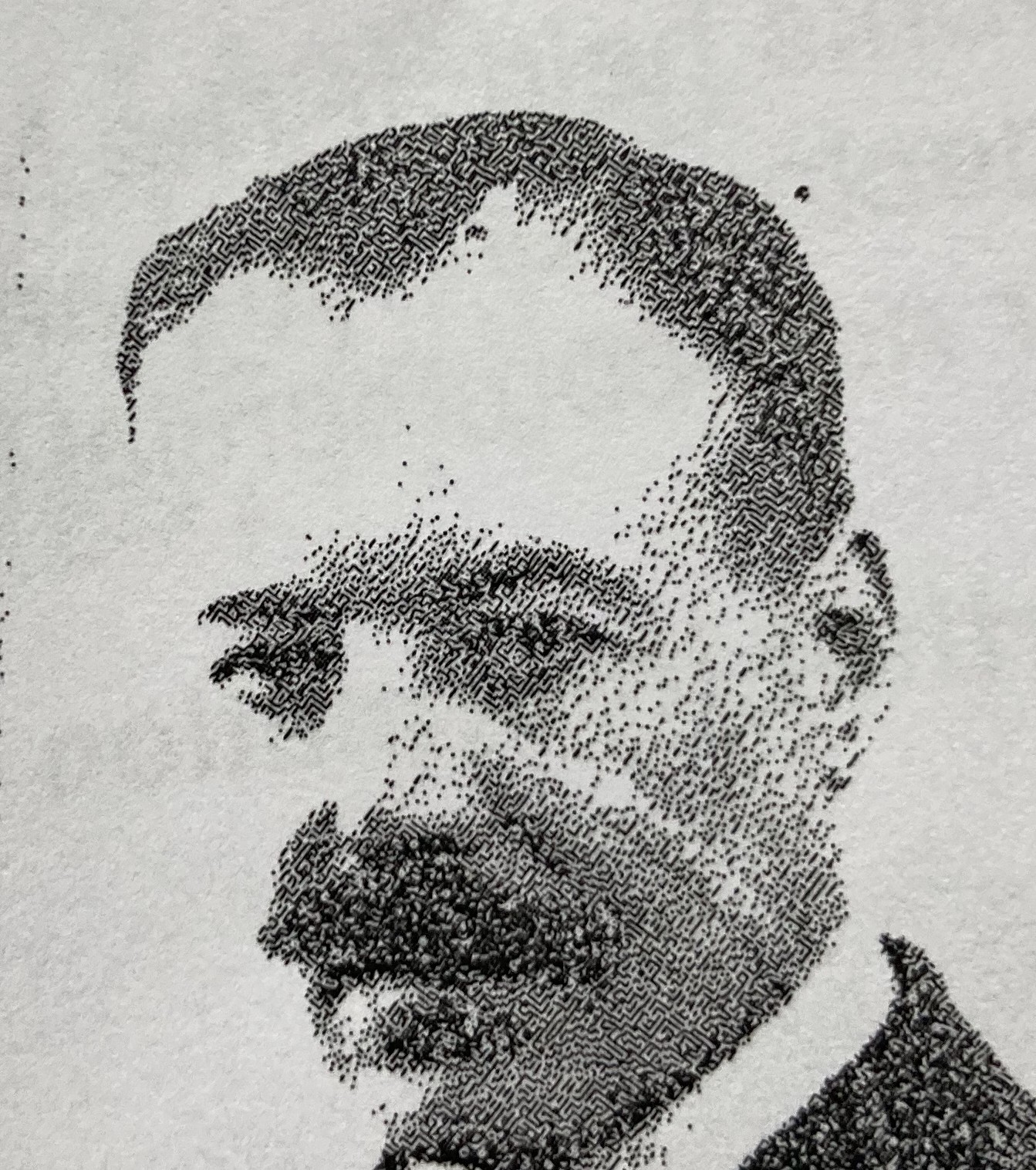
A month after D-Day, de Guélis parachuted into France to work with the underground forces of the Corrèze. He led local resistance groups in ambushes of German forces. They were then joined by a team of French SAS who helped in the area’s liberation.
Final mission
As Nazi Germany surrendered in May 1945, de Guélis arrived in Germany on an urgent mission to find captured agents and make sure they were not subjected to any last-minute vengeance.
His investigations centred on a number of concentration camps, including Flossenbürg in Bavaria.
SOE agent Jack Agazarian and leading members of the German resistance to the Nazis – including Wilhelm Canaris, the head of German military intelligence – had been executed there only weeks earlier.
On 16 May, de Guélis’s car was struck by a vehicle being driven by a German soldier who had worked at Flossenburg. De Guélis was badly hurt.
He was transported home to Britain but died in hospital at Lichfield on 7 August, 1945, four years and a day after his first heroic mission to France.
Was the crash a deliberate attempt to silence an investigation which would have fed information into the prosecution file for the Nuremburg trials? It is possible. Any evidence appears to have been lost in the chaos of post-war Germany.
There is very little discussion of the car accident in de Guélis’ personnel file. What it does contain are pages and pages of commendation for the agent’s bravery and dedication.
The head of SOE, Brigadier Colin Gubbins, said de Guélis was an agent whose “ardour and efficiency” were “equalled by [his] personal courage”.
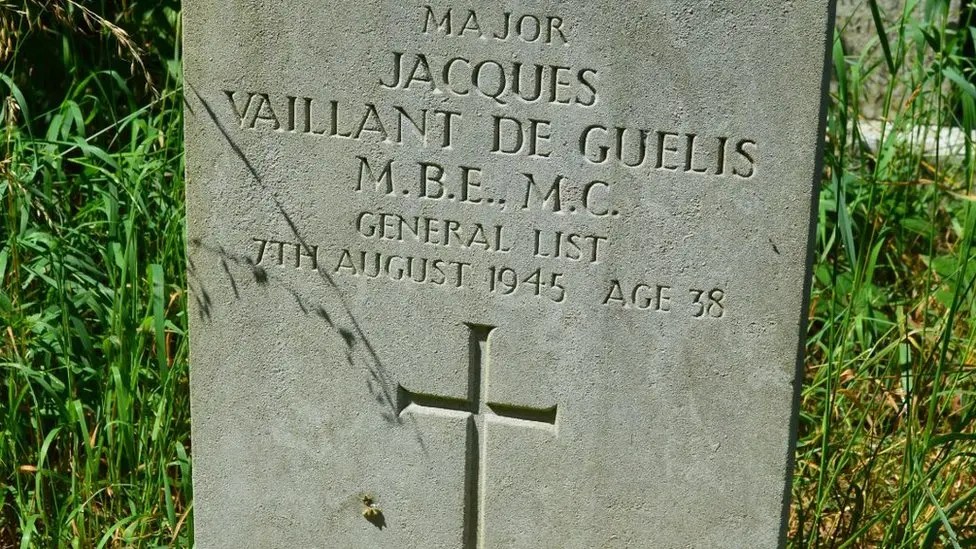
De Guélis’s wife, Beryl, had his body returned to his hometown of Cardiff for burial. It lies in the shade of a tree in a quiet corner of Cathays Cemetery.
A peaceful, unassuming resting place seems a fitting spot for a man whose most heroic deeds were carried out in the shadows of the secret war against Hitler.
*A version of this article was first published on the BBC website in August 2016.

 Greg Lewis
Leave a comment