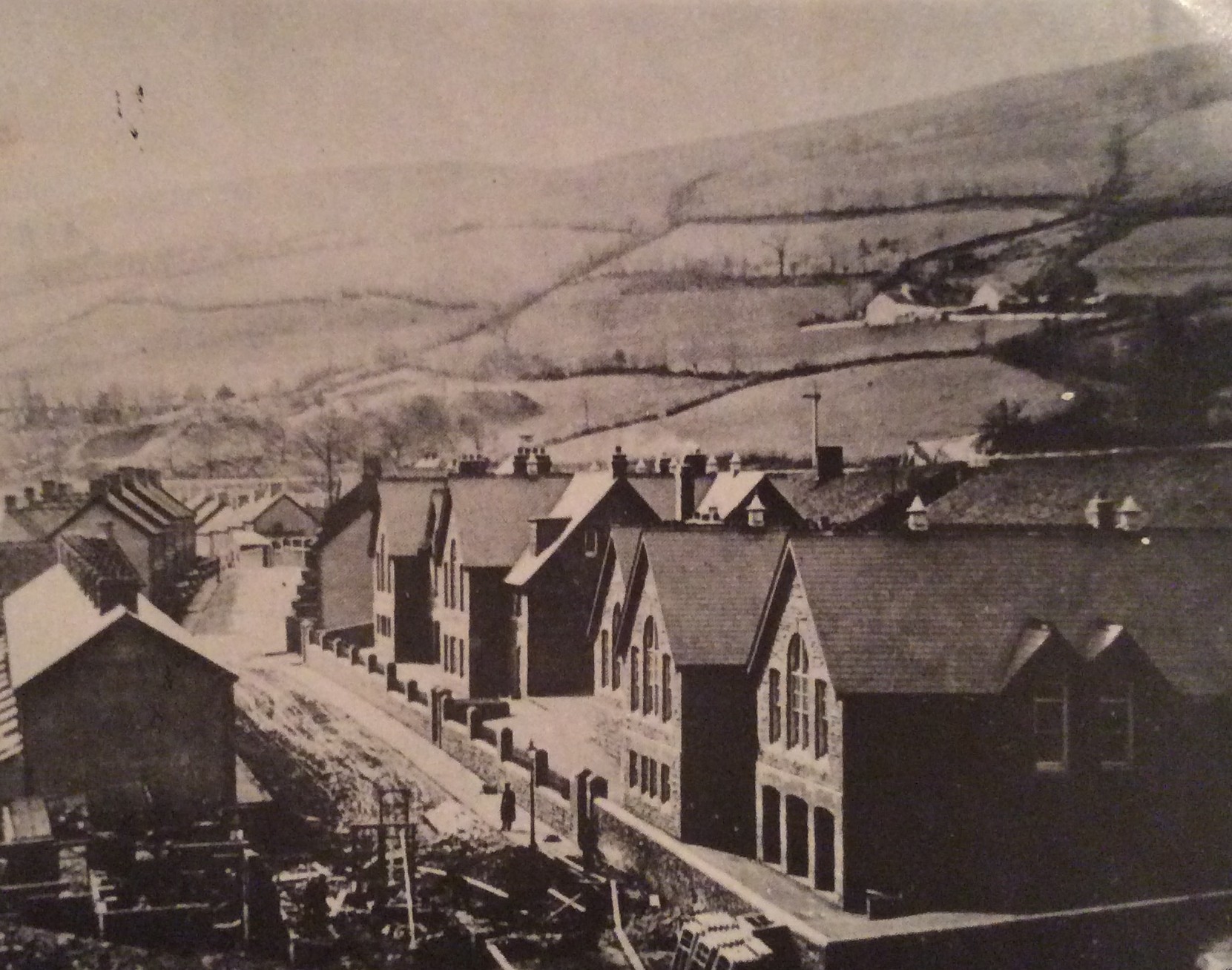
At 9.15am on the morning of Friday, October 21, 1966, the village of Aberfan in Wales heard a dreadful sound that was to haunt the community and a nation for a lifetime.
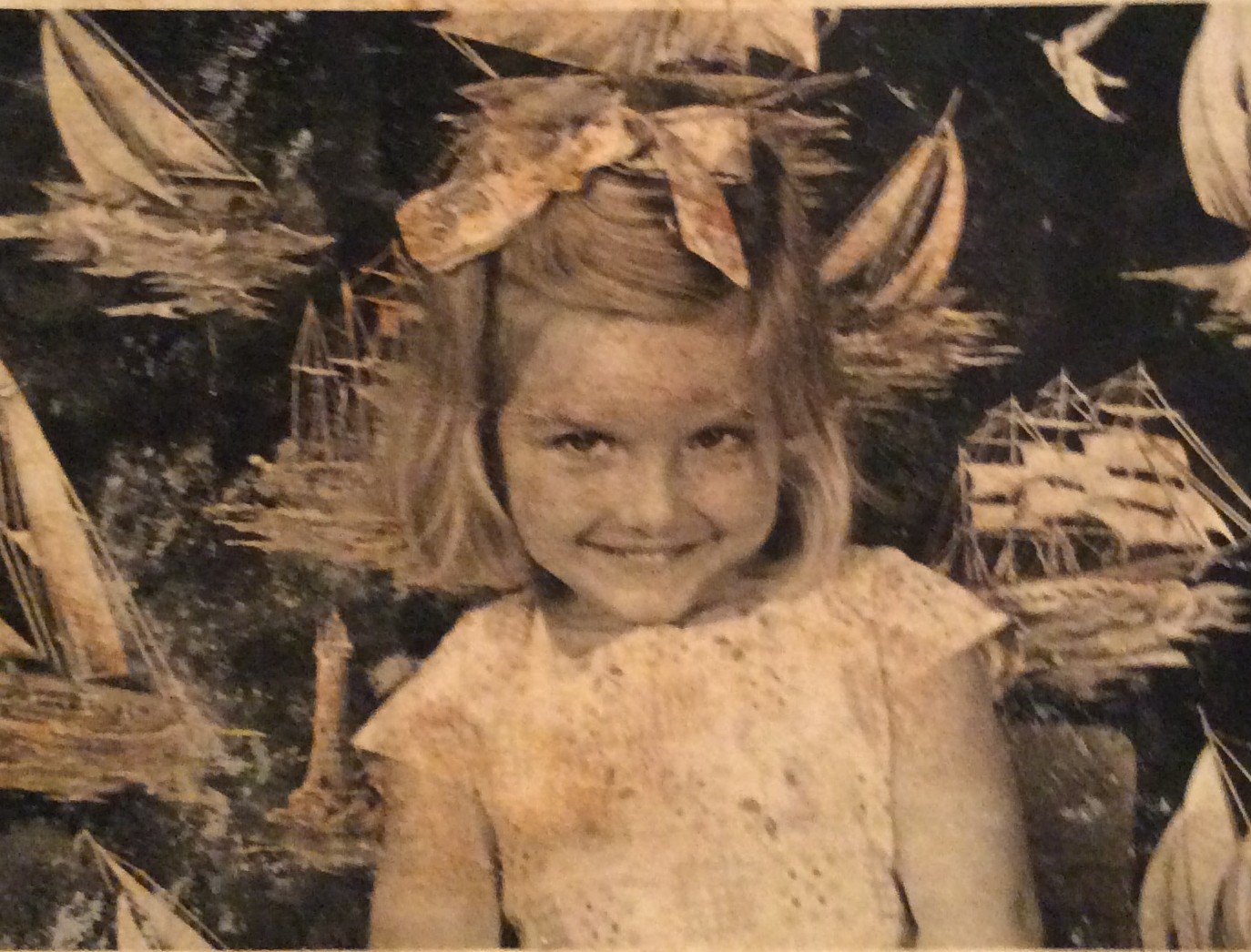
Gaynor Madgwick was eight years old and had just sat down to a maths lesson at Pantglas Junior School…
“Then I heard a terrible, terrible sound, a rumbling sound. It was so loud. I just didn’t know what it was.
I was suddenly petrified and glued to the chair.
It sounded like the end of the world had come.”
Tragically, for 144 people – 116 of them schoolchildren – it had. Gaynor’s brother, Carl (right) and one of her sisters, Marylyn (left), was among them.
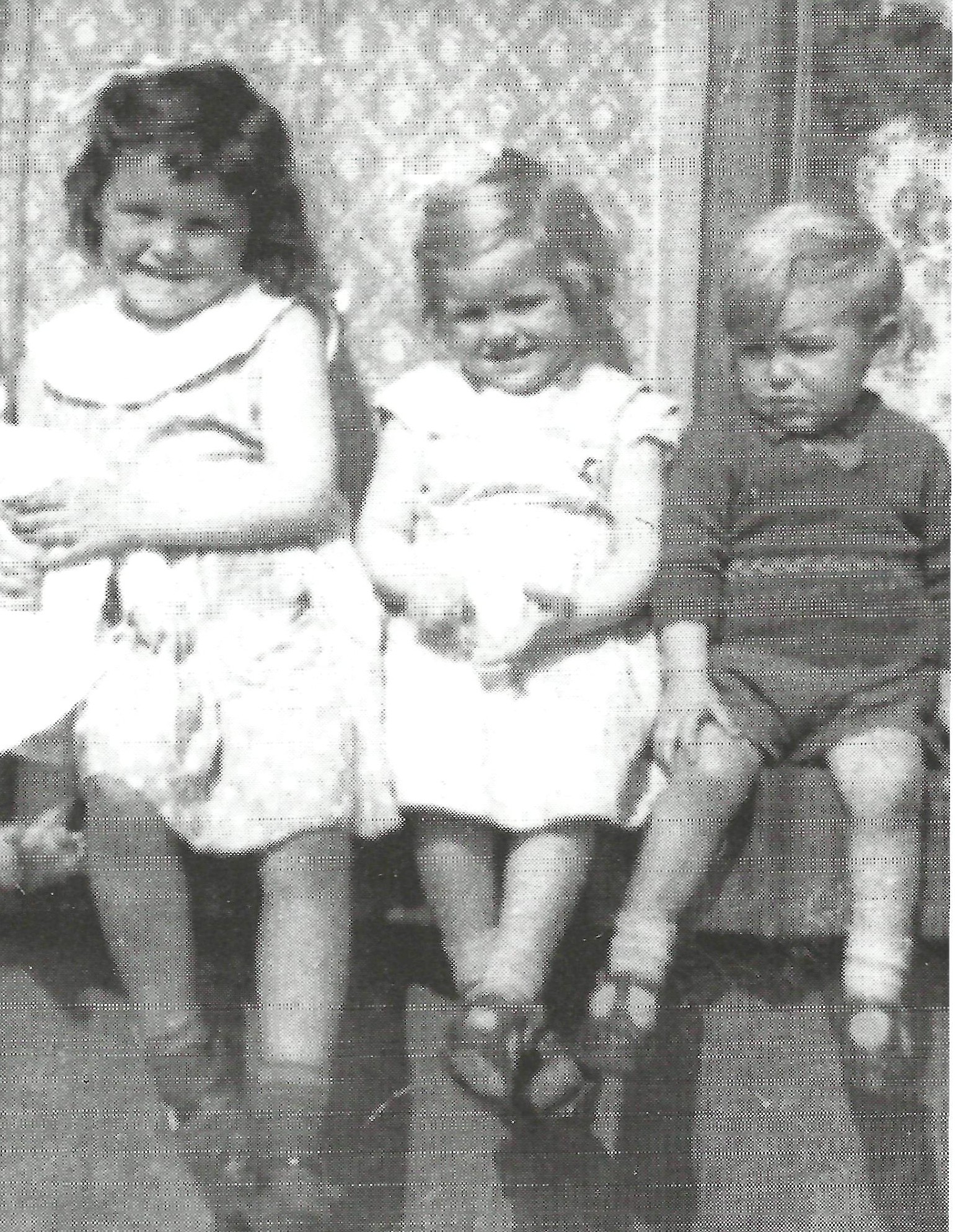
Gaynor was in a classroom between them. She was crushed against the wall by some of the thousands of tonnes of coal waste which had slid down the mountainside on to the village.
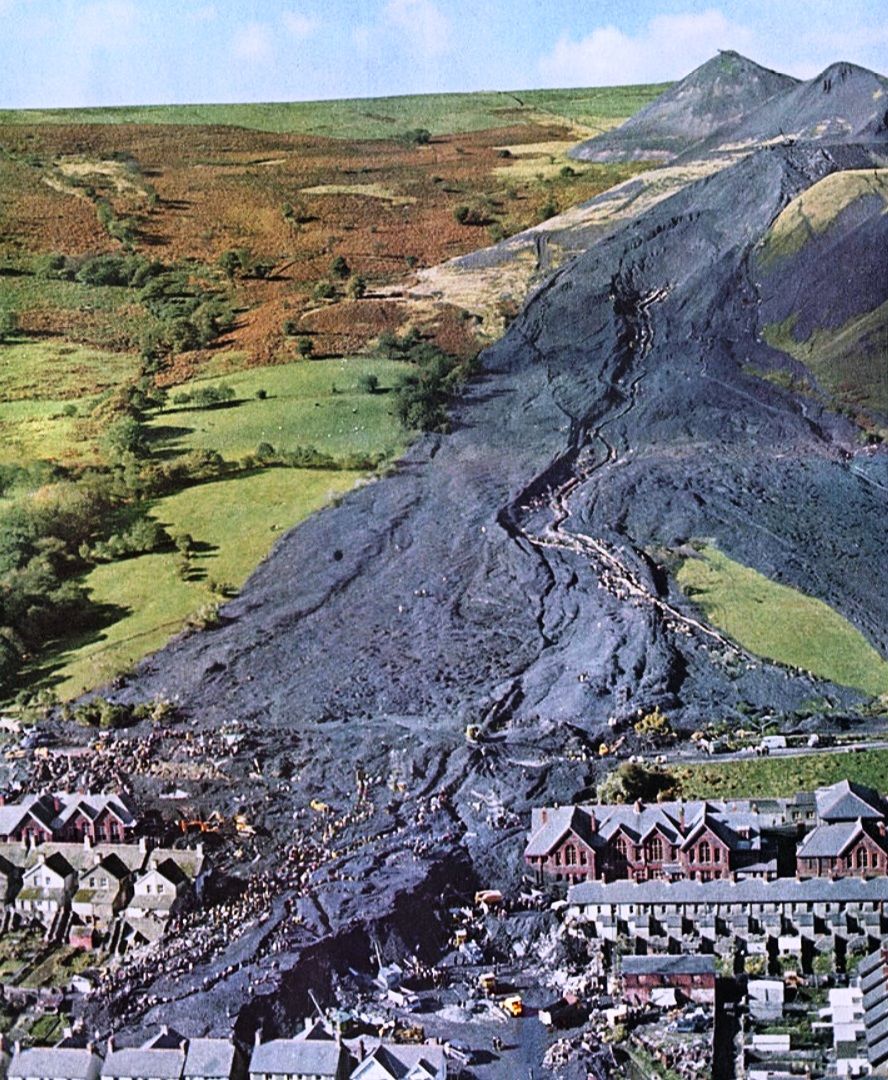
A few hours later the school would have been empty: October 21 was the last day of term.
Gaynor took a long time to recover. The physical injuries were treated first, and they were comparatively easy to mend.
Then came the mental scars. A lifetime’s work. How do you live with that kind of childhood trauma? The loss of two siblings and so many schoolfriends. Watching and living with the effect on your parents and all the adults around you. On the teachers who had lost colleagues and friends.
We don’t tend to talk to children of six, seven and eight about death, but in Aberfan it was all around.
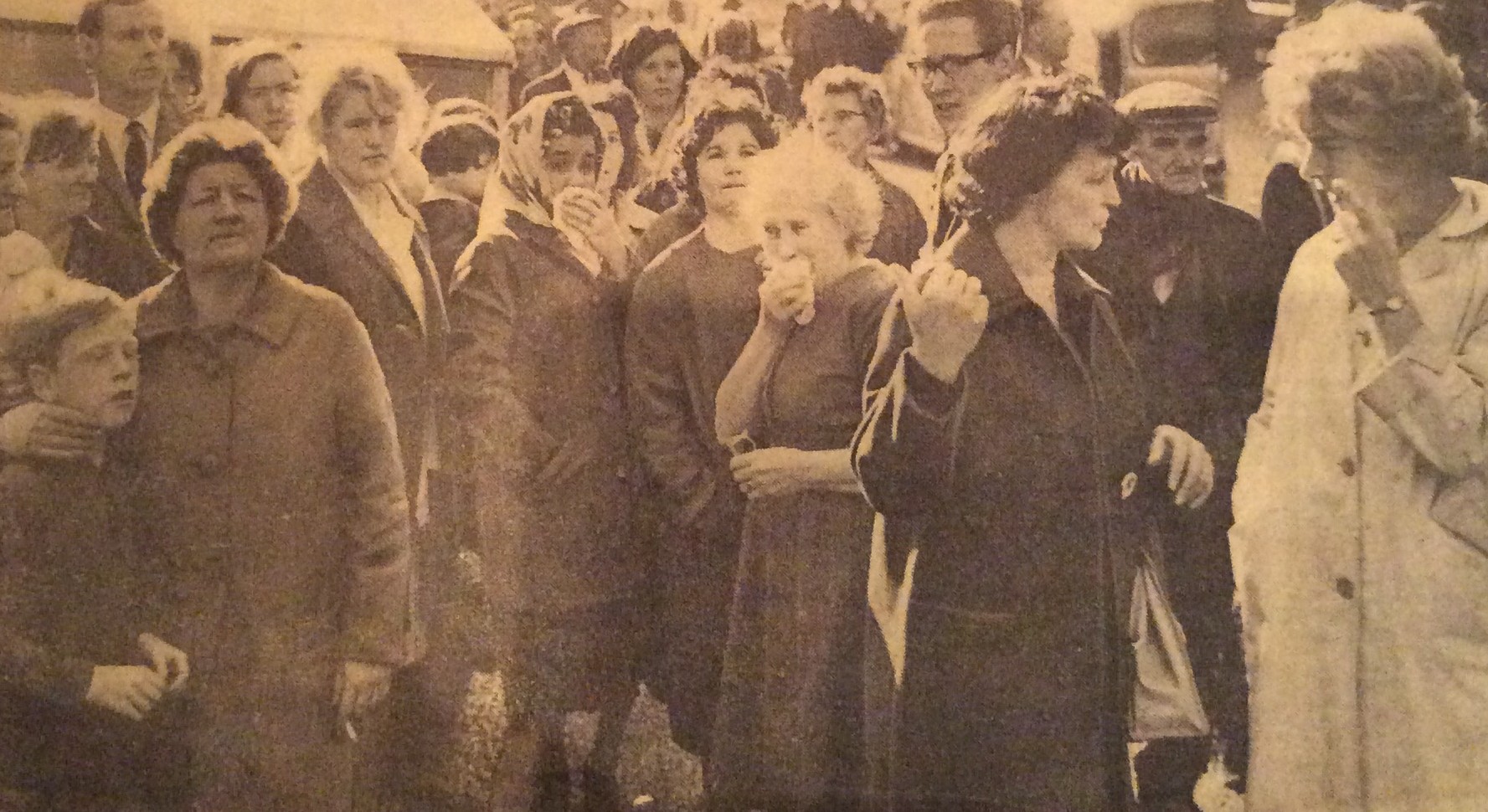
So many gone. In an instant. A village engulfed by the dark shadow which had been piled above it by decades of industry.
Just over ten years ago, Gaynor started on a new journey, of understanding, investigation, and healing.
She decided to explore her own memories of October 21, 1966, analysing how it affected her life, and taking the courageous decision to speak – in depth – to many others who were there: the injured, the rescuers, the bereaved.
It was a highly emotional journey, but also one which told the whole story: the causes of the disaster, how events unfolded, and the injustices suffered by the community in the years afterwards.
Sometimes I would travel with Gaynor to do the interviews, and would record or gently probe with further questions.
More often, she would make notes from her meetings or transcribe from her dictaphone, and send them to me. I’d then start to turn them into a book.
It was, I think, the third book I’d ghost-written. This was the first time I’d been in such a collaboration – with the main author doing so much of the research and journalism. But it had to be Gaynor, as only she could truly uncover this story.
My children were both of primary school age at the time. Working with Gaynor’s material brought me to tears almost every day.
Gaynor was heartbreakingly honest about how the disaster affected her emotionally. Her descriptions of the day were vivid.
Through her story and the story of her community, we found that Aberfan was not simply a chapter from history, it was an event which still touches our lives now – even on the very day I am typing this, 60 years on.
A short while ago, I made this spoken tribute to Gaynor’s courage and endeavour:


Leave a Reply